Most small marketing teams have the same visual problem: they need a steady supply of images for social posts, emails, blog headers and landing pages, and they have neither the budget for custom photography nor the time to search stock libraries for something that does not look like everyone else's. AI image generators help with that gap. This post covers five practical uses, with an example prompt for each, and ends with the limits to keep in mind.
1. Social posts that match your message
Instead of hunting for a stock photo that roughly fits, describe the scene you want. For a fitness tracker launch, ask for "a runner checking a wrist device at a city park at sunrise, warm light, space on the left for text". You get an image built around your message, and you can make a vertical, square and wide version for each platform.
2. Email and blog headers
Header images are where most teams fall back on generic stock. A generated header that reflects the topic of the email or article reads as more considered. Keep a short style note, such as "flat illustration, brand blue and white, minimal", and reuse it so the images look like a set.
3. Variations for testing
Creative testing is where AI saves the most time. Generate several versions of one concept, changing a single element such as the setting or the colour palette, then compare click-through or conversion in an A/B test. Because you changed one thing at a time, the result tells you something you can reuse.
4. Audience-specific visuals
The same offer can look different to different segments. A travel company, for example, can show a lively city break for one audience and a quiet beach for another. Describe the setting, the mood and the people you want shown, and review the results to make sure they represent your audience well and avoid stereotypes.
5. Fresh looks without a new shoot
Seasonal and trend-driven content needs quick turnaround. Browse the gallery to see what different styles look like, then adapt a style to your brand. This works well for campaigns, event graphics and product launches where a full shoot is not realistic.
A repeatable workflow
Brief. Write the audience, the message and the channel before you prompt. - Prompt. Name the subject, setting, style, light and any space you need for text. - Generate and select. Make several versions and pick two or three. - Finish. Add text, logos and calls to action in your design tool, rather than inside the image. - Measure. Track results for each variant and keep notes for next time.
Limits to keep in mind
Licensing. Read the commercial terms of the tool and plan you use before publishing images in paid campaigns. - Accuracy. AI images should not misrepresent your product. Use real product photos where accuracy matters, and generate the surroundings. - Quality control. Check hands, faces, small text and fine details before posting. - Brand consistency. Decide on a few style rules, otherwise images from different days can look unrelated. - Disclosure. Label synthetic images where they could be mistaken for real photographs, especially people.
Choosing a tool
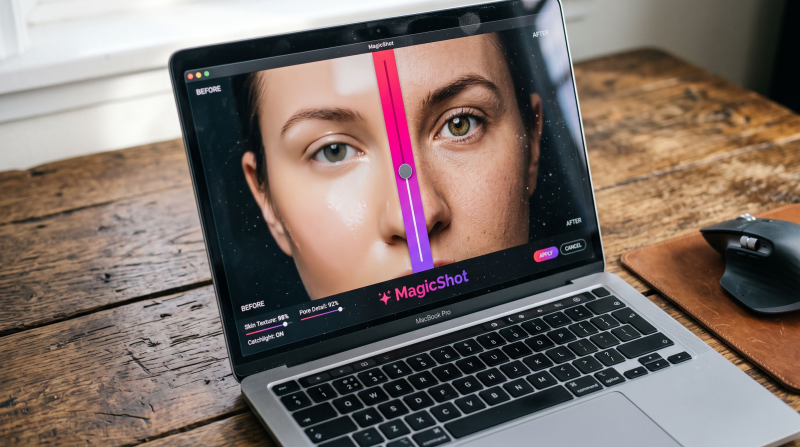
Look for control over aspect ratio, a licence that allows commercial use, and the option to start from your own photo as well as from text. Our guide to the top AI image generators compares what is available. MagicShot generation uses credits.
Bottom line
AI images work best in marketing as a fast way to produce and test visuals, not as a replacement for strategy or for real product photography. Brief carefully, change one variable at a time, finish the layout yourself, and let the performance numbers decide which images stay.
Try Countless AI Image, Video, and Audio features on MagicShot.ai
Generate realistic photos of anything. Imagine, describe and create those images within seconds. Enhance your existing photos with our advanced AI engine.