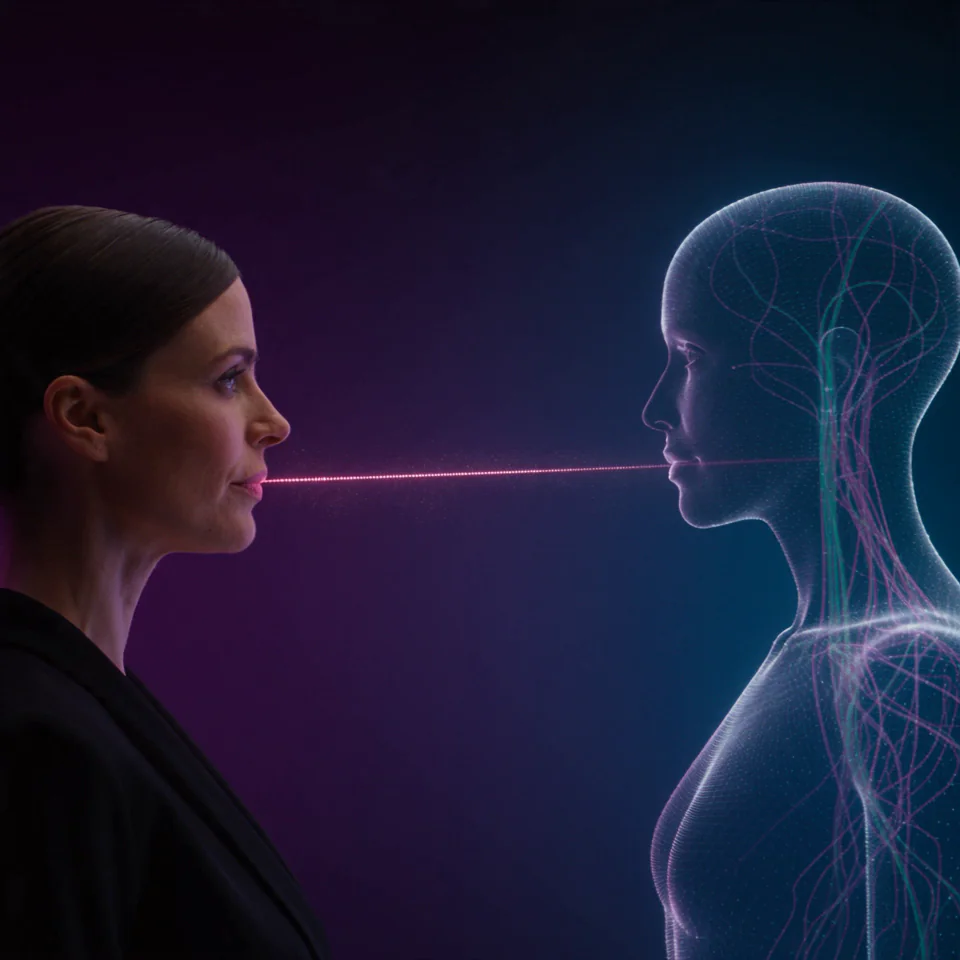
Recording a voiceover is the easy part, until you need the same voice on forty videos, in Spanish, by Thursday. AI Voice Cloning takes a short recording of one person, 5 to 30 seconds is enough, builds a voice from it, and reads any script you type in that voice. Type the lines, generate, play it back. No booth, no retakes, no chasing the person whose voice it is for one more line.
The clone keeps what makes a voice recognisable: the pitch, the pace, the way certain vowels land. Scripts run up to 2,000 characters per generation, enough for an ad read, a product walkthrough or a podcast intro, and you can chain generations for longer pieces. It works in 10 languages (English, Spanish, French, German, Italian, Portuguese, Chinese, Japanese, Korean and Russian), so an English sample can read a Spanish script and still sound like the same person. Auto-detect reads the language off the script, or set it yourself.
Who uses it
YouTubers batch a week of narration from one recording. Podcasters fix a muffed sponsor read without re-recording the episode. Course creators update a lesson by editing text instead of re-booking the mic. Marketers put one founder’s voice on every market’s version of the ad. Small teams give their UGC clips and product demos a consistent voice without hiring talent per project.
Getting a closer match
Two optional fields do most of the work. Paste the exact words from your sample into the transcript box and the model locks onto the voice faster. Add a delivery note, calm and slow, upbeat, whispering, and the read follows it. Clean source audio matters more than length: ten seconds of one person in a quiet room beats thirty seconds with a fan running.
Consent comes first
Clone voices you own or have permission to use: your own, a teammate who has agreed, a client who signed off. MagicShot does not train models on your uploads, and you can delete samples and results whenever you like.