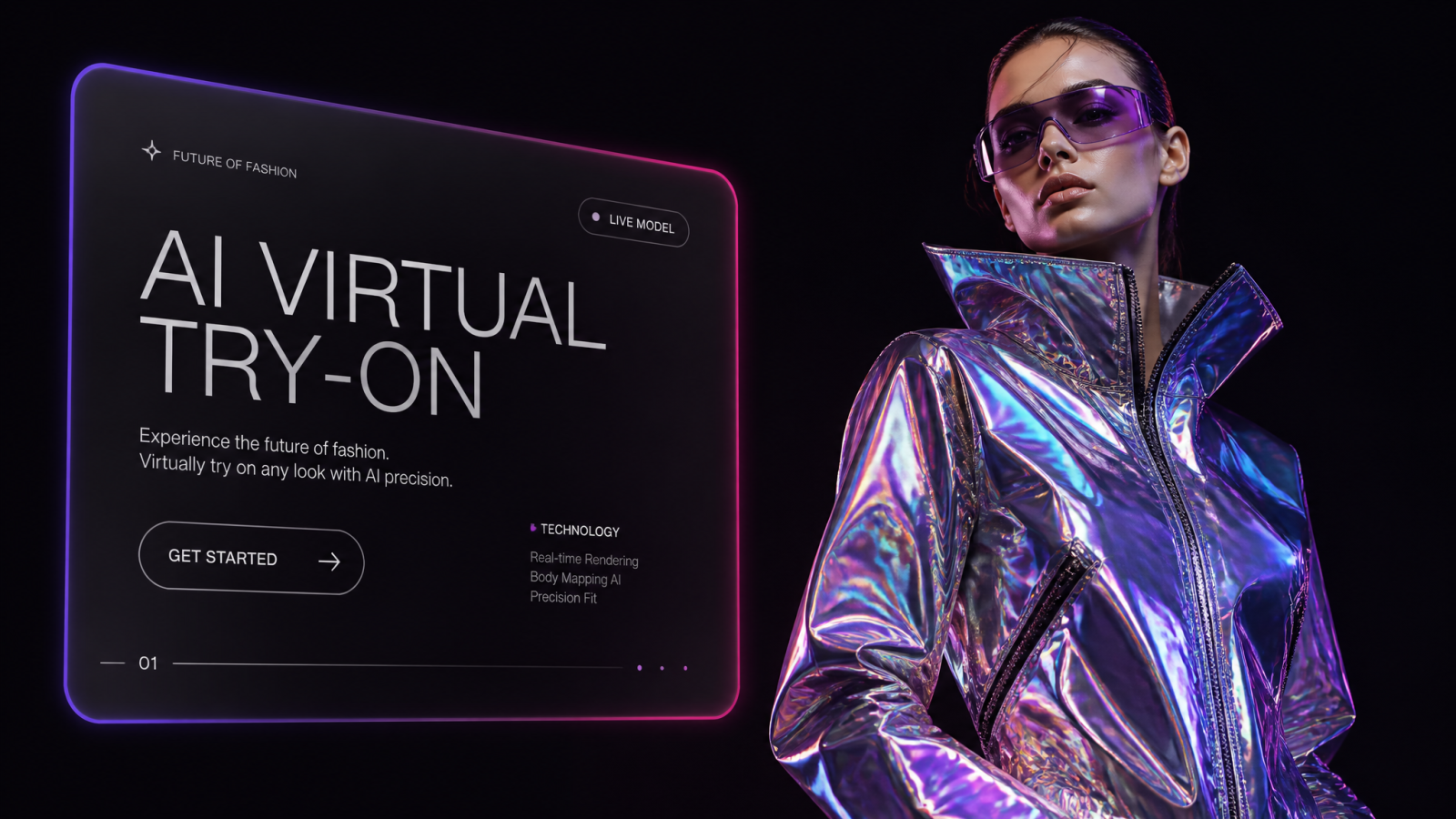
A Y3K outfit is Y2K style dragged a thousand years into the future. Think chrome, holograms, liquid-metal fabrics, and silhouettes that look pulled from a spaceship rather than a mall in 2003. If Y2K was low-rise jeans and flip phones, Y3K is the same optimism about the future, only bigger, shinier, and stranger. This guide explains what Y3K fashion is, where it came from, and how to build the look, including how to preview a full Y3K outfit with AI before you spend a cent on clothes.
What is Y3K fashion?
Y3K fashion is a futuristic aesthetic that reimagines what people might wear in the year 3000. It takes the tech-obsessed spirit of Y2K and cranks it up: metallic and iridescent fabrics, cyber and space-age references, bold structural shapes, and a heavy dose of digital-world influence. Where Y2K borrowed from early internet culture and pop stars, Y3K borrows from science fiction, gaming avatars, and AI-generated imagery.
The short version: Y3K is Y2K plus a thousand years of imagined tech. It keeps the playful confidence but swaps baby tees and denim for chrome bodysuits, LED accents, and clothing that looks like it belongs on a character screen.
Y3K vs Y2K: the quick difference
Y2K (year 2000): low-rise denim, baby tees, rhinestones, flip phones, frosted everything, glossy pop-star energy.
Y3K (year 3000): liquid chrome, holographic and iridescent textures, exaggerated tech-wear shapes, LED and cyber details, avatar-inspired styling.
Both share one thing: an over-the-top belief that the future looks cool. Y3K just assumes the future is fully digital.
Where the Y3K trend came from
Y3K didn't start on a runway. It started on feeds. As Y2K nostalgia peaked, creators on TikTok and Pinterest began asking the obvious next question: if Y2K is the past's idea of the future, what does the future's future look like? The answer became a moodboard of metallics, sci-fi costume design, and CGI fashion.
AI image tools poured fuel on it. Suddenly anyone could generate a model in a mirrored trench coat standing in a neon corridor, no photographer, no set, no wardrobe. That accessibility is a big reason Y3K spread so fast: the look was born partly from tools that make impossible outfits easy to visualize.
Key elements of a Y3K outfit
You don't need every element to nail the vibe. Pick two or three and commit.
1. Metallics and chrome
Silver, gunmetal, and mirror-finish fabric are the backbone. A single chrome piece, a skirt, a corset, a pair of boots, reads Y3K instantly.
2. Holographic and iridescent textures
Fabrics that shift color as you move sell the sci-fi angle. Oil-slick purples, blues, and greens on a jacket or bag do a lot of work.
3. Tech-wear structure
Sharp shoulders, utility straps, asymmetric hems, and armor-like paneling. The clothing should look engineered, not sewn.
4. Cyber and LED accents
Glowing trims, translucent PVC, wraparound visors, and futuristic jewelry that looks like wearable hardware.
5. Avatar-coded styling
Hair and makeup that reference game characters and digital avatars: sleek buns, face gems, gradient eye looks, and unnatural hair colors.
How to make a Y3K outfit with AI (no shopping required)
Here is the honest problem with any hype trend: a genuine Y3K wardrobe is expensive, hard to source, and mostly unwearable in daily life. Chrome corsets and holographic trench coats aren't hanging at your local store. So most people who want the look are chasing a photo, not a closet. That is exactly where AI wins.
Instead of a $400 styling session or a rack of pieces you'll wear once, you can generate a full Y3K outfit on a realistic model in minutes. Two MagicShot tools cover the whole job.
Option 1: Generate the whole look from a prompt
Use the AI Fashion Model tool to build the outfit and the model together. Describe the scene the way you'd brief a stylist: "female model, mirror-chrome corset, holographic cargo pants, translucent visor, neon corridor background." You get a clean, editorial-looking shot without booking anyone.
This is the fastest way to test ideas. Run five prompts, keep the two that work, throw the rest away. No reshoot, no wasted budget.
Option 2: Put the Y3K look on a specific person
If you already have a photo of yourself or a real model, a virtual try-on approach lets you drop the Y3K pieces onto that person instead of a generated stranger. That matters for creators building a consistent personal brand, where the face needs to stay the same across every post.
Clean up and scale the result
Once you have the shot, tidy it. Swap or drop the background with the background remover when you want the outfit on a plain backdrop for a lookbook or product listing. If you plan to print or post large, run the file through the image upscaler so the chrome details stay sharp instead of turning to mush.
Y3K outfit ideas to try
Steal these as starting prompts or shopping references. Each one is a complete look.
Chrome minimalist: mirror-finish bodysuit, gunmetal knee boots, slicked-back bun, single silver ear cuff. Cold and clean.
Holo raver: iridescent puffer jacket, translucent PVC skirt, chunky platform boots, gradient blue eye makeup.
Cyber utility: matte-black tech vest with straps, cargo pants, fingerless gloves, wraparound visor. Function-first sci-fi.
Liquid metal glam: draped silver gown that looks poured on, geometric hardware jewelry, sharp winged liner.
Avatar princess: pastel-metallic corset, layered hologram tulle, face gems, and two-tone hair.
Where people are posting Y3K looks
Y3K lives on visual, trend-hungry platforms. TikTok drives the discovery, Pinterest holds the moodboards, and Instagram Reels is where the finished looks perform. If you're a seller, a Y3K photoshoot doubles as scroll-stopping product content: the same generated image that shows off your metallic jacket can headline a listing or an ad.
Creators who want to go further can turn a still Y3K shot into motion. Feeding a finished image into an image to video tool gives you a short clip of that holographic coat catching light, which tends to outperform a flat photo on Reels and TikTok.
Writing better Y3K prompts
The gap between a flat AI image and one that looks like a real editorial shot is almost always the prompt. Vague prompts get vague results. A prompt with a garment, a material, a pose, and a setting gets something you'd actually post.
Structure your prompt in four parts
Subject: who's in the frame. "Female model, mid-twenties, confident stance."
Garments and materials: the outfit itself, named piece by piece. "Mirror-chrome corset, holographic wide-leg trousers, translucent PVC gloves."
Details: hair, makeup, accessories. "Slicked-back platinum bun, silver face gems, gradient blue eyeshadow."
Scene and light: where it happens and how it's lit. "Neon-lit corridor, hard rim lighting, dark background."
That last part is the one people skip. Metallics only look metallic when there is something for them to reflect. Ask for hard, directional light and a dark or moody backdrop, and the chrome comes alive. Ask for a bright, even studio, and it goes dull.
Prompt words that push a look toward Y3K
Materials: chrome, liquid metal, iridescent, holographic, oil-slick, PVC, latex, brushed steel.
Shapes: structured shoulders, asymmetric hem, armor paneling, utility straps, exoskeleton.
Mood: cyberpunk, sci-fi editorial, futuristic, avatar, digital fashion.
Drop two or three of these into each of the four prompt sections and you'll steer the model firmly into Y3K territory instead of landing on generic "futuristic" mush.
Turning a Y3K shot into a full content set
One good image is a start. If you're a creator or a small seller, the real win is turning that single generated look into a week of content without new production. Here is a workflow that costs nothing extra once you have the shot.
Hero image: your best full-length Y3K look on a clean background for the main post or listing.
Crops: a tight shot of the accessories, a waist-up portrait, a boots-only detail. Same file, three formats.
Motion clip: feed the hero into an image to video tool so the holographic fabric shifts and shimmers. Short, loopable, made for Reels.
Carousel: pair the outfit with two or three prompt variations so viewers see the look in different colorways.
That's a full campaign from one prompt session. No second shoot, no model call, no lighting rental. If the goal is a personal brand rather than product sales, the same approach works for building a consistent futuristic feed, the kind that reads intentional instead of random.
Is Y3K actually wearable in real life?
Mostly, no, and that's fine. Full chrome-and-hologram looks are runway and photo fantasy, not commute wear. But you can borrow one element and keep it grounded: a single metallic skirt with plain basics, an iridescent jacket over jeans, or futuristic-hardware jewelry with an otherwise normal outfit. That's how most trends actually filter into daily wardrobes, one loud piece at a time.
For everything beyond that one wearable piece, the smart move is to keep it digital. Generate the extreme version for your feed, wear the toned-down version outside, and skip the expensive middle ground of buying clothes you'll never wear twice.
Common mistakes with Y3K styling
Too many ideas at once. Chrome plus holo plus LED plus armor plus face gems reads as costume, not fashion. Pick a lane.
Flat lighting. Metallics need contrast to look metallic. A bright, even room kills the effect, in real photos and AI ones.
Low resolution. Reflective fabric shows every compression artifact. Shoot or upscale big.
Forgetting the face. Y3K is head-to-toe. Sleek hair and graphic makeup finish the look; default hair undercuts it.
Wrapping up
A Y3K outfit is a bet on how weird and shiny the far future might look, built on chrome, holograms, and avatar-coded styling. You don't have to buy the wardrobe to wear the aesthetic online. Write a clear prompt, generate the look, clean it up, and post. The trend rewards imagination, and AI is the cheapest way to test yours.