AI kiss videos took off as a social trend for a simple reason: you give the tool two photos and get back a short, shareable clip. It is playful, it works for couples and friends, and it takes seconds. It is also one of the more sensitive things you can do with a photo of a real person, so it is worth understanding how it works and where the lines are.
How a photo-based kiss video works
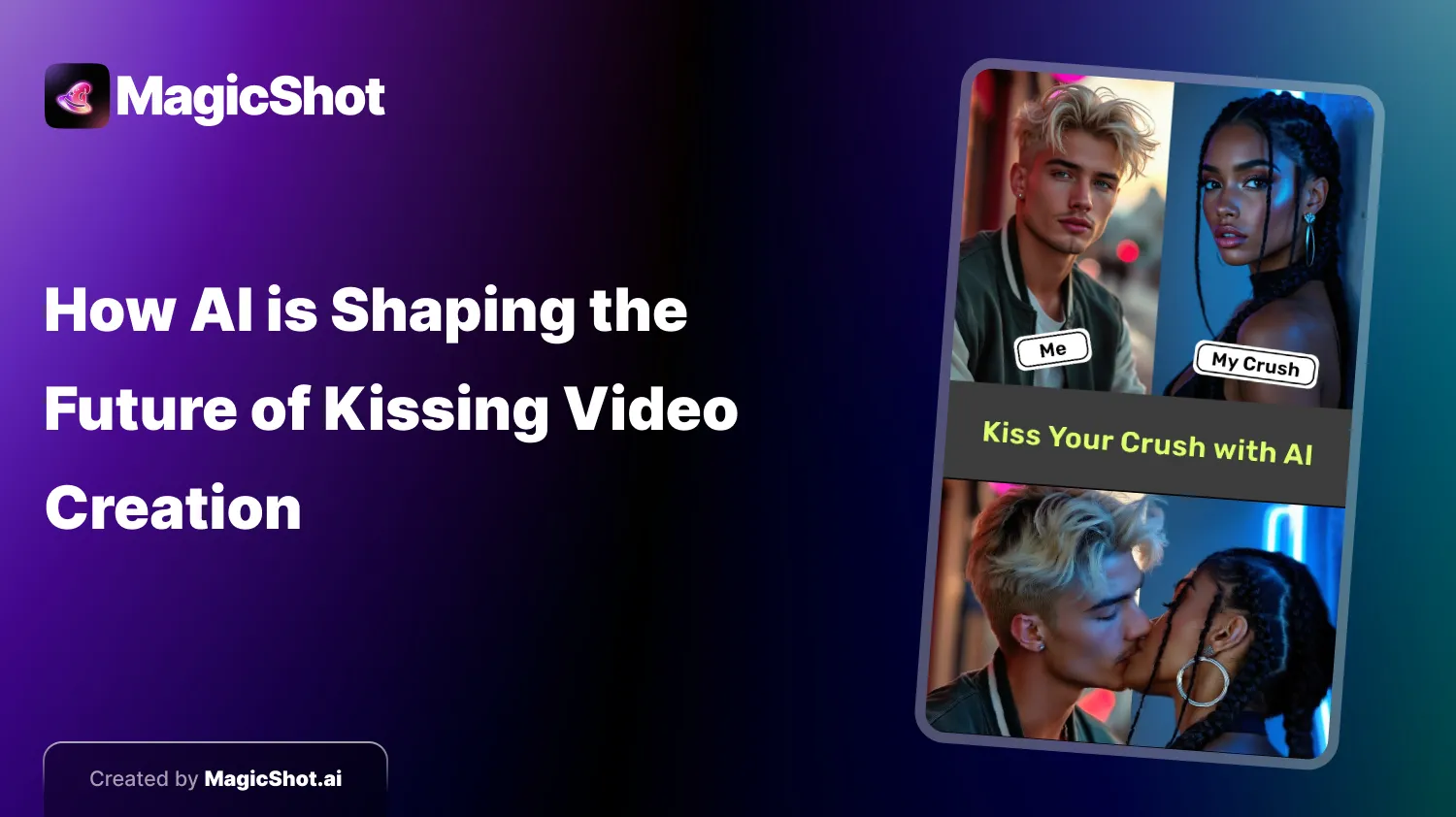
Tools such as the kissing booth effect take one or two photos of faces, work out the pose and position of each person, then generate a short animation in which they move together and kiss. Modern video models do this by predicting the frames between the starting image and the motion described, so the result depends heavily on how clear and well matched the photos are. Related effects, like face mimic, transfer expressions from one face to another.
Getting a cleaner result
Use clear, front-facing photos with both faces fully visible and not covered by hair, hands or sunglasses.
Match the framing. Similar distance, angle and size of face in both photos gives smoother motion.
Choose even light. Harsh shadows on one face and none on the other make the result look pasted together.
Use high resolution. Blurry source photos lead to wobbly, smeared output.
Keep it simple. One person per photo works better than groups.
Generate a few versions. Quality varies between runs, so pick the best one.
Good uses
Anniversary and wedding clips for a couple who both agree.
Playful reels for friends who are in on the joke.
Fictional or illustrated characters, such as a pair of cartoon avatars or original art.
Storyboards and concept previews for a romantic scene in a short film.
The ethical lines that matter
Consent comes first. Only make a kiss video of someone if they have agreed to it. That includes celebrities, exes, colleagues, classmates and strangers. Making an intimate video of a real person without permission is harmful, can be harassment, and in many places is illegal.
No minors. Never use photos of anyone under 18 for this kind of effect.
Deepfake risk. Realistic fake videos can spread as if they were real, damage reputations and be used for blackmail. A responsible tool and a responsible user both treat this seriously.
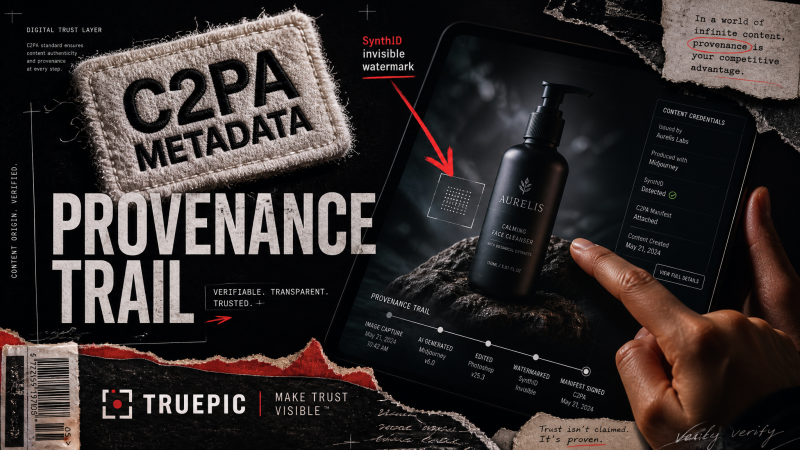
Label it. If a clip could be mistaken for real footage, say it is AI-generated. Some platforms require this for realistic synthetic media.
Privacy. Think about where the photos are stored and who can see the result before you share it.
Where the technology is heading
Expect smoother motion, better identity consistency and longer clips. Expect rules to tighten too. Many countries and platforms are adding laws and policies on non-consensual synthetic media and on labelling AI-generated video. Check the current rules where you live and where you post.
What it will not do
It will not replace actors and filmmakers for serious production work, which still needs direction, performance and editing. It is best seen as a quick, lightweight effect for personal and social use. If you want to polish a clip afterwards, see our guide to AI video editing tools for beginners.