Anyone who uses an AI image generator for work ends up asking the same handful of questions. Is it legal to use the pictures? Who owns them? Could the output be biased or misleading? Will it hurt working artists? None of these have tidy answers yet, and the rules differ between countries, but there are practical habits that keep you on safe ground. This post sets out the main issues and what to do about each.
Copyright and training data
Image models learn from very large collections of existing pictures. Whether that training is lawful without the creators' permission is being tested in courts and debated by lawmakers in several regions, and no single answer applies everywhere. For you as a user, the practical risks are narrower: output that closely resembles a specific artwork, a recognisable character or a brand logo.
Do not prompt with the name of a living artist to copy their style. - Do not ask for existing characters, logos or branded products. - If an output looks close to a known work, discard it. - For client work, keep a record of the prompts and the tool and plan you used.
Who owns an AI image?
Ownership depends on two things: the tool's terms and local law. Many platforms assign usage rights to the paying user, but that does not settle whether the image can be protected by copyright. In the United States, for example, the Copyright Office has said that purely machine-generated material is not protected, while human creative contribution, such as selection, arrangement or substantial editing, may be. Rules differ elsewhere, so check the position where you publish, and read the licence on your plan before using images commercially.
Bias in the output
A model reflects the data it learned from. If that data under-represents some groups or repeats stereotypes, the images can too. A prompt that says only "a doctor" or "a CEO" may return a narrow range of people. The fix is practical: describe the people you want, review results before you publish, and avoid images that reinforce stereotypes.
Deepfakes and misleading images
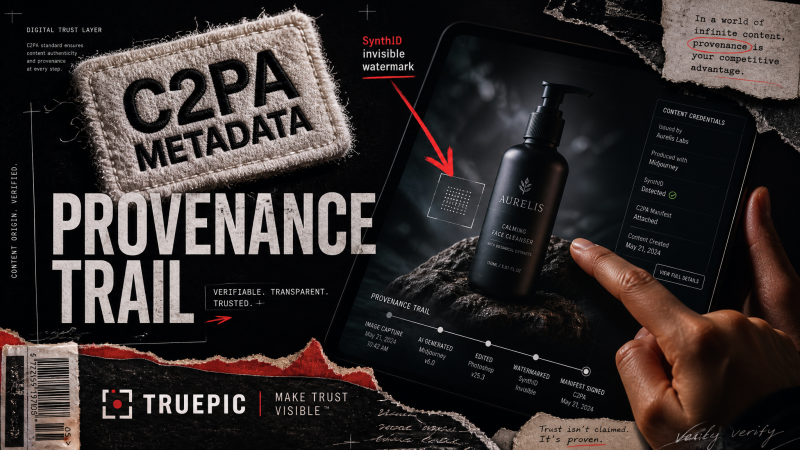
Realistic images can be used to mislead. The sensible line is to avoid generating realistic pictures of real, named people in made-up situations, to label synthetic images wherever they could be taken for photographs, and never to use them as evidence of something that did not happen. Reputable tools restrict this kind of misuse, and platforms are increasingly adding labels and provenance data.
Effects on artists
Many illustrators and photographers worry about lost commissions and about their work being used for training without consent. Both concerns are fair. Plenty of working artists also use AI for ideas, rough layouts and backgrounds, then finish by hand. If you hire creatives, consider where AI saves time and where a human's judgement and style are what the project needs.
Accuracy
Generated images can include invented text, wrong details or impossible objects. Never use one as an illustration of a real product, place or event without checking it against the real thing.
A short responsible-use checklist
Read the commercial licence before publishing. - Avoid copying living artists, characters and brands. - Describe diverse subjects on purpose and review the results. - Do not create realistic images of real people without their consent. - Label synthetic images where they could mislead. - Check hands, text and small details before sharing. - Keep prompt and tool records for client work.
What businesses should put in writing
If your team uses AI images, a one-page policy helps: which tools are approved, what content is off-limits, who reviews images before they go live, and how AI use is disclosed. It does not need to be long, and it prevents most avoidable mistakes. You can see what MagicShot offers on its features page, and image generation on the platform uses credits.
Bottom line
AI images are a useful creative tool with real open questions around training data, ownership and misuse. Use them with care: respect other people's work and likeness, check what you publish, and keep records. Where the law is unsettled, the careful choice is usually also the one that protects your reputation.
Try Countless AI Image, Video, and Audio features on MagicShot.ai
Generate realistic photos of anything. Imagine, describe and create those images within seconds. Enhance your existing photos with our advanced AI engine.