Choosing an AI image generator is easier when you decide what you need before you look at a single tool. Most people do it the other way round, try five apps, and end up with a folder of images that look nice but do not fit the job. This guide walks through a short checklist, then the main options and how to test them fairly.
Step 1: Work Out What You Actually Need
Style: photorealistic photos, painterly art, logos, anime, product shots? Tools lean different ways.
Resolution: print and large displays need far more pixels than a social post.
Volume: do you need ten images or a thousand? Some tools are built for quantity, others for one polished result.
Control: do you want a quick result from a prompt, or the ability to fine-tune composition, aspect ratio and details?
Budget: pricing is credits, subscriptions or free tiers, and it changes often, so check the current plan before you commit.
Skill level: some tools are one-click, others reward patience and prompt practice.
Step 2: Compare the Features That Matter
Prompt handling: does it follow detailed instructions, and does it show example prompts?
Image quality: look at hands, text and faces, which are where weaker models slip.
Style range and customization: aspect ratio, size and style controls change the result more than people expect.
Integrations and export: can you get files into your design or social tools without extra steps?
Licensing: check whether you can use outputs commercially.
Support: documentation and a responsive team matter the first time something breaks.
Step 3: Know the Main Options
Midjourney is known for artistic, stylized images and is a popular pick for concept art.
Stable Diffusion is open and highly customizable, which suits people comfortable with technical setup.
OpenAI's DALL-E models handle plain-language descriptions well and are a common choice for general use.
NightCafe offers an approachable interface and many art styles.
Craiyon, which started life as DALL-E mini, is a free option with a basic experience.
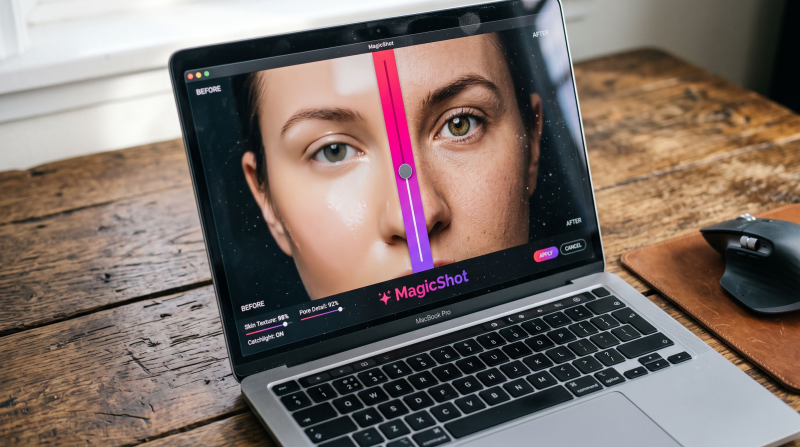
MagicShot focuses on speed and ease of use, with an AI art generator alongside dedicated tools for logos, headshots and edits.
If you want background on how these systems work before choosing, read what AI image generation is and how it works.
Step 4: Test With the Same Prompt
Pick one realistic prompt from your own work and run it on your top two or three tools. Compare the results side by side, then change one thing at a time, such as style words or aspect ratio. A fair test shows you which tool listens, not which one got lucky once.
Which Tool Should You Pick?
If you want speed and little setup, choose a one-click tool. If you want maximum control and do not mind a learning curve, choose an open or highly configurable one. If your work is a specific job such as logos or headshots, a dedicated tool usually beats a general generator. Whatever you pick, run a small paid test before you move your whole workflow over.
Ready to try it? Open the MagicShot AI art generator and run your test prompt.
Related reading: Top AI image generators