
Grok Imagine Image 2.0 is here, and it changes the pitch for xAI's image tools from "generate something wild" to "edit exactly what you mean." Elon Musk's AI lab shipped the model on August 7, 2026, rolling it out as the new Quality Mode inside Grok Imagine on the web at grok.com/imagine and in the Grok iOS and Android apps. It lands with region-level editing, five-image reference blending, and a claim to the number-two spot on two major public leaderboards, right behind OpenAI's GPT Image 2.
For anyone who has typed "what is Grok Imagine" into a search bar this week, here is the short version, followed by what actually changed, how Grok Imagine image generation is moderated, and where creators are looking if they want a calmer, more predictable editing tool for everyday work.
What Is Grok Imagine?
Grok Imagine is xAI's standalone image and video generation platform, separate from the Grok chatbot that lives inside X. It is not the same product as the original Grok 2 image generator, which used xAI's Aurora engine and shipped first to X Premium and Premium+ subscribers before reaching developers through xAI's API. Grok Imagine came next, launching as Grok Imagine 1.0 in February 2026 with both text-to-image and short video generation built into a single app rather than a chat feature bolted onto X.
The platform has scaled fast since that launch. xAI has said Grok Imagine generated 1.245 billion videos in a single month, a number that says a lot about how the app is actually used, mostly casual, high-volume, and mobile-first, rather than as a professional design tool. Image 2.0 is the first major upgrade to the image side of that product, and it is aimed squarely at people who found the original model good for a first draft but frustrating to fine-tune once they had a result they almost liked.
The naming has caused some confusion of its own. People searching for "Grok 2 image generator" are often actually looking for Grok Imagine, since xAI has continued to iterate under the Imagine name rather than releasing a separate Grok 3 image product. If you are trying to find the current tool, Grok Imagine Image 2.0 is it.
What's New in Grok Imagine Image 2.0
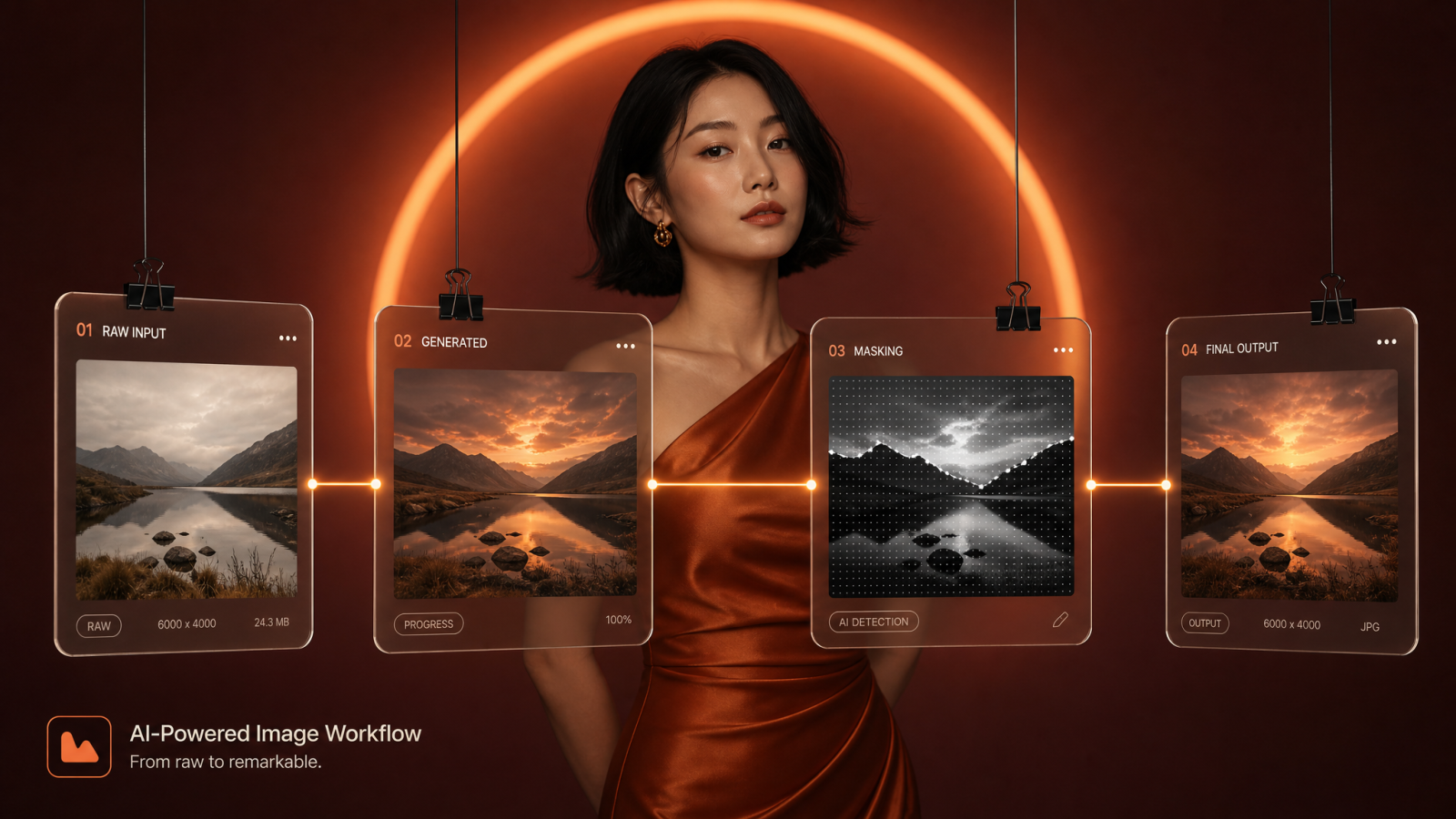
The headline change in Grok Imagine Image 2.0 is that editing is now a first-class feature rather than an afterthought bolted onto a text-to-image model. According to xAI's own announcement and outlets that covered the launch, the update adds:
Magic Wand region editing: point at one part of an image and change only that region, leaving the rest of the composition untouched.
Segmentation: select precise areas of an image for targeted edits or removal.
Background removal with transparency: pull a subject out of its background and export it on a transparent canvas.
Multi-reference editing: combine up to five input images in a single generation, cutting out the manual compositing that used to mean stitching sources together by hand.
Smart Resize: recompose one image across nine aspect ratios, including turning a tall 1:2 image into a wide 2:1 layout without starting over.
Sharper typography: more reliable text rendering for posters, headlines, and other dense, text-heavy layouts.
Workflow templates: ready-made starting points for product shots, headshots, icons, and game assets.
Days after launch, Musk posted that Grok Imagine now supports native meme generation as well, adding a lighter, social use case on top of the design-focused editing tools. It is a small addition next to the region-editing overhaul, but it signals that xAI still wants the app to feel casual and shareable, not just a design utility.
Taken together, the update reads like xAI studying where people got stuck with the first version of Grok Imagine: a great first image, then no clean way to fix one detail without regenerating the whole thing. Smart Resize and the template library in particular are aimed at repeat, practical use rather than a single impressive screenshot.
Grok Imagine Image 2.0 vs. the Grok 2 Image Generator
It helps to separate the two names people keep searching. The original Grok 2 image generator was built for straightforward text-to-image output and was known for handling photorealism and multi-person scenes reasonably well, alongside decent text and logo placement compared to some rivals at the time. Grok Imagine Image 2.0 is a different generation of model entirely, built for control: precise edits, repeatable layouts, and legible text inside an image, rather than one strong image on the first try and little recourse after that.
xAI is backing that shift with leaderboard numbers rather than just marketing language. On the Arena rankings, which score models on head-to-head human preference votes rather than a single fixed test set, Grok Imagine Image 2.0 scored 1,320 points in text-to-image and 1,439 points in image editing, placing second in the world in both categories, behind OpenAI's GPT Image 2 but a clear jump over xAI's own prior model. API access for developers who want to build on top of Grok Imagine Image 2.0 is planned but was not available at launch, so for now the model lives inside the Grok apps and the web client rather than as a general-purpose developer tool. Anyone comparing grok 2 images against what Image 2.0 produces today should expect a meaningfully different tool, not just a version bump.
For now, Grok Imagine Image 2.0 is only reachable through Grok's own surfaces, the grok.com/imagine site and the Grok mobile apps, rather than through a broader ecosystem of third-party tools the way some competing models are. That keeps the rollout controlled but also means the earliest real-world reviews are coming from everyday app users and reviewers rather than developers stress-testing an API.
Is Grok Imagine Image Moderated?
This is the question a lot of readers are actually typing into search bars, and the honest answer is: inconsistently, and that inconsistency has already drawn regulatory attention. Grok Imagine has offered a "Spicy" generation mode alongside more standard settings, and reporting from CNN in January 2026 described how Britain's media regulator Ofcom made "urgent contact" with Musk's companies over a Grok feature capable of producing undressed and sexualized images of real people, with the regulator flagging concern that it could extend to sexualized images of children. The same reporting described internal friction at xAI, with Musk reportedly unhappy about restrictions placed on Grok's Imagine tools even as some staff pushed for tighter guardrails.
Moderation on Grok Imagine also is not applied evenly across platforms. Because Apple's App Store and Google Play both prohibit non-consensual intimate imagery and overtly sexual content, the iOS and Android versions of the app carry stricter filters and more aggressive blocking than the web version at grok.com/imagine, which operates under fewer external constraints. In practice, that means the same prompt can be treated differently depending on whether someone is using the app or the browser, a gap that safety researchers and legal commentators, including a Lawfare piece on Grok's content controls, have pointed to as evidence that policy on Grok Imagine is reactive rather than built in from the start.
xAI's launch material for Image 2.0 focuses on the new region-editing and reference tools and does not spell out separate, updated moderation rules for those specific features. That is worth flagging on its own: a magic wand tool that can alter one region of a photo of a real person, or blend up to five reference images together, raises a slightly different set of questions than a text prompt does, and the public record so far does not show xAI publishing a dedicated policy update alongside the feature launch.
None of this erases what Image 2.0 actually shipped: real editing tools that plenty of people will use for entirely ordinary things, like resizing a product photo or cleaning up a headshot background. But for anyone choosing a tool for client work, a storefront, or a brand account, "how is this moderated" is now a fair and necessary question to ask alongside "how good is the output," and it is worth asking about any image generator, not just this one.
Grok Imagine Alternative: What Creators Are Weighing Instead
Not everyone needs a leaderboard score attached to their editing tool. A lot of the people searching for a Grok Imagine alternative are freelancers, small sellers, and social media managers who want predictable, on-brand output without wading into a moderation debate before they even open the app. That is the gap MagicShot's editing tools are built to fill.
MagicShot recently added a controlled re-imagining option to its own editor, so instead of hoping a single prompt produces the right region edit, you upload a photo and guide the changes directly. The Re-imagine tool is built around that same idea of editing what you already have rather than gambling on a fresh generation each time, which is close to the exact workflow shift Grok Imagine Image 2.0 is chasing with its Magic Wand and segmentation features.
A few other MagicShot tools cover the same ground that Image 2.0's new templates target:
For the multi-image compositing that Grok Imagine now handles with up to five references, the Visual Composer Image tool lets you combine multiple source images into one scene with direct control over placement.
For the product-shot templates in Image 2.0, MagicShot's Product Photo Generator is built specifically for sellers who need consistent, catalog-ready images rather than a general-purpose image model.
For the wider design work Image 2.0's typography update targets, the Logo Generator covers brand marks and wordmarks where legible, repeatable text matters most.
For the meme feature Musk highlighted after launch, the Sticker Maker handles the same lighter, social-first use case for anyone posting to group chats or Instagram.
The point is not that one company's model beats another's on a benchmark. It is that the right tool depends on what you are actually making and who is going to see it, and that question matters more now that image editing itself, not just image generation, is where the competition among AI labs is heading.
The Bigger Picture
Grok Imagine Image 2.0 is a real jump for xAI: it is the company's first image model built around editing rather than one-shot generation, and a number two global ranking on Arena's text-to-image and image-edit boards is not a small claim, even sitting behind GPT Image 2. The workflow templates for product shots, headshots, and game assets also suggest xAI wants Grok Imagine taken seriously for repeatable, business-facing work, not just novelty prompts.
But the launch arrives while xAI is still answering for how loosely its "Spicy" mode has been moderated in the past, and that context will follow every conversation about grok ai imagine for a while yet. Anyone deciding between Grok Imagine, its predecessor the Grok 2 image generator, or a dedicated editing tool built for business use should weigh the feature list next to the moderation record, not instead of it. The features are genuinely useful. The trust question is separate, and it is still being answered in real time by regulators, not just by xAI's product team.