

Zodiac Portraits: Turn Your Photo Into Your Star Sign Character
Everybody has a sign, and almost everybody has an opinion about it. That is exactly why zodiac AI art keeps landing in group chats and comment sections all year long. A zodiac portrait takes your photo and reimagines you as the character behind your sign: the armored Aries, the moody Scorpio, the dreamy Pisces underwater. You get a version of yourself that feels personal and a little theatrical, and it costs you a few minutes instead of a hired illustrator or a two-week commission.
This guide breaks down what a zodiac portrait actually is, how the twelve built-in variations differ, and how to get a result that looks like you instead of a random stock model. No sketching, no commission queue, no waiting two weeks for a proof. By the end you will know exactly which photo to feed in, which sign fits which mood, and how to turn one portrait into a whole shareable series.
What is a zodiac portrait?
A zodiac portrait is an astrology portrait that turns your face into the mythological character tied to your star sign. Feed in a clear photo, pick your sign, and you get rendered as that archetype: Leo as a sunlit lion-hearted royal, Aquarius as a cosmic water-bearer, Capricorn as a mountain-climbing sea-goat. The input is a photo of you. The output is a stylized zodiac sign character that still reads as your face.
The appeal is simple. Astrology content gets shared on reflex. People tag their friends, argue about whether the portrait "got them right," and post all twelve for their followers to guess. That built-in urge to share is why creators keep coming back to this format, and it is why zodiac AI art tends to travel further than a generic self-portrait ever would.
The twelve signs, twelve distinct looks
The point of a zodiac series is contrast. Each sign carries its own palette, mood, and set of symbols, so a good set of twelve should never feel like one costume in twelve colors. Here is the shorthand most creators work from:
Aries (Mar 21 to Apr 19): ram horns, fire tones, warrior energy.
Taurus (Apr 20 to May 20): earthy greens, bulls, a grounded and lush look.
Gemini (May 21 to Jun 20): mirrored twins, airy blues, a playful split.
Cancer (Jun 21 to Jul 22): moonlight, water, soft protective armor and crab motifs.
Leo (Jul 23 to Aug 22): gold, mane, sun crown, full main-character posture.
Virgo (Aug 23 to Sep 22): wheat fields, clean lines, a calm and precise portrait.
Libra (Sep 23 to Oct 22): scales, symmetry, pastel elegance.
Scorpio (Oct 23 to Nov 21): deep reds and blacks, scorpion detail, a dangerous edge.
Sagittarius (Nov 22 to Dec 21): archer, arrows, an adventurous open-road feel.
Capricorn (Dec 22 to Jan 19): mountains, horns, a stoic sea-goat.
Aquarius (Jan 20 to Feb 18): cosmic water, electric blues, a futuristic water-bearer.
Pisces (Feb 19 to Mar 20): underwater light, fish, a dreamy floating scene.
When you keep these markers consistent, a friend can guess your sign before they read the caption. That is the moment that earns a comment, and it is the whole reason to render the set as a set instead of a one-off.
There is a practical reason to lean on these twelve archetypes rather than inventing your own from scratch. Astrology already did the character design work centuries ago. The ram, the scales, the water-bearer, the twins: people carry mental pictures of these symbols, so the portrait only has to confirm what they half-expect. That shared shorthand is why a Leo portrait with a golden mane lands instantly, while a vague "cosmic" render of the same person feels like generic fantasy art. You are working with a visual language your audience already speaks, which means less explaining and more recognition.
How to make your zodiac sign character
The workflow is short on purpose. You are not learning software, you are getting a portrait.
1. Upload a clear photo
Use a well-lit shot where your face is unobstructed. Front-facing beats a three-quarter angle for a first try, and a plain background gives the render less to fight. If your only good photo has a busy backdrop, clear the background first so the face is the obvious subject and nothing behind you competes for attention.
2. Pick your sign
Choose from the twelve variations. Each one loads its own set of symbols and color story, so you are not writing a long prompt or guessing at keywords. If you want your friends' signs too, run the same photo of each person through their matching sign for a full set.
3. Generate, then refine
Render it, look at the likeness, and adjust. If the face came out slightly soft, sharpen the facial detail or upscale it for a crisper, print-ready file. Working from an old family photo you want to zodiac-ify? Clean up the scratches and fading first, then upload the restored version so the render has more of the real face to hold onto.

Why zodiac AI art works so well for creators
Three things make this format worth your time.
It shares itself
Astrology is one of the few topics where the audience does the distribution for you. Post a Scorpio portrait and Scorpios show up in the comments to claim it. Post all twelve and people tag the exact friend each one reminds them of. You are not begging for engagement, you are handing people a reason to argue.
It runs all year
Unlike a holiday gimmick, zodiac content has steady year-round volume. Every month is somebody's birthday season, so a "Sagittarius season" or "Pisces season" post always has a built-in audience. Twelve signs means twelve reliable content beats you can schedule in advance, which is a rare thing for any single content idea.
It is personal without being invasive
A zodiac portrait feels custom because it is built on the viewer's own identity, yet it asks for nothing more than a birth month people already volunteer without hesitation. That combination of personal and low-friction is rare, and it is why these posts outperform generic AI art.
Beyond the portrait: extend the idea
Once you have a strong set of twelve, the format opens up. A few directions that keep working:
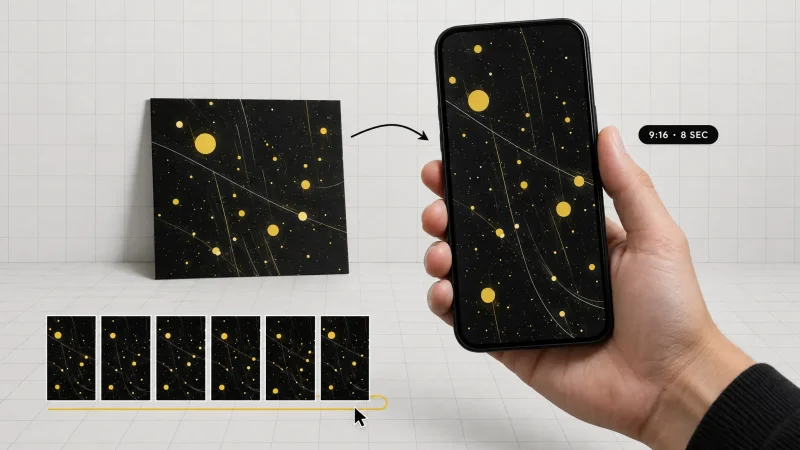
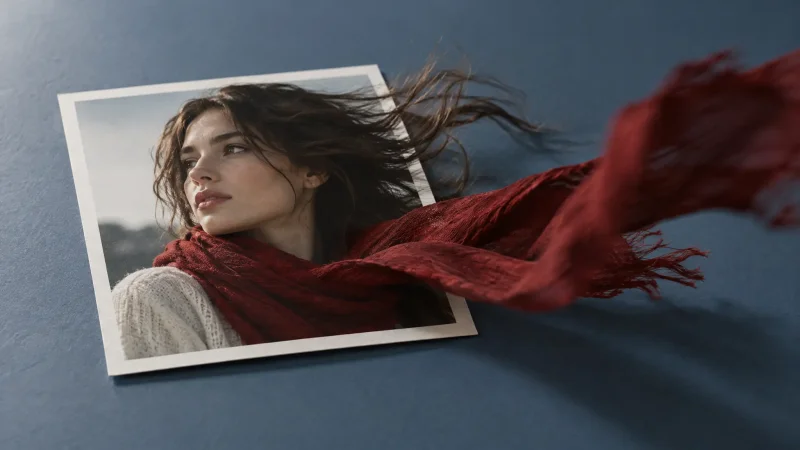
Animate the reveal. Turn a still zodiac portrait into a short clip, then post it as a Reel or TikTok where the character slowly comes to life.
Add motion effects. Cosmic dust, glowing eyes, and swirling water read great layered on top of the base image and give the reveal a sense of movement.
Build a themed series. If zodiac clicks with your audience, the same personal-portrait logic powers pet character sets, birthday themes, and other portrait ideas your followers will want next.
The base skill is the same across all of them: a clear photo, a defined character, a quick render. Zodiac is just the easiest one to start with because your audience already knows their sign.
Ways to actually use your zodiac portraits
A single portrait is fun, but the format earns its keep when you put it to work. A few concrete plays:
The twelve-card carousel. Post all twelve signs in one Instagram carousel and let people swipe to their own. The "find yours" mechanic keeps them on the post longer, which most feeds reward.
Birthday-season drops. Schedule one sign per month around its season. Tag it with the season name so people searching "Scorpio season" find you.
Duo and group sets. Run a couple or a friend group through their signs and post them side by side. Pairings spark the "which of us is right" comments that boost reach.
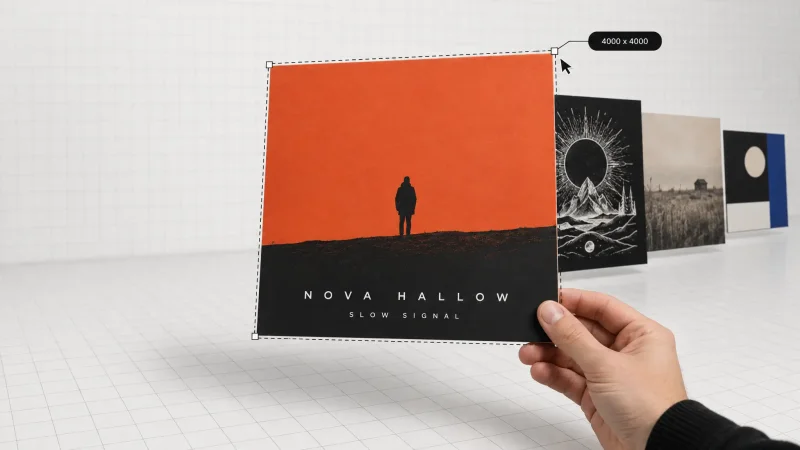
Profile and avatar refresh. A clean zodiac avatar makes a striking profile picture during your birthday month, especially when you upscale it so it stays sharp at avatar size.
Merch and gifts. A print-ready portrait works on a mug, a poster, or a birthday card. This is where the earlier upscale step pays off.
If you make content for a broader creative audience, zodiac art also pairs naturally with the rest of your visual output. The same open-ended character logic that produces a Leo or a Pisces can carry into custom prompts of your own, so a zodiac series becomes a springboard into wider character work rather than a one-time novelty.
How zodiac portraits differ from a normal AI headshot
People sometimes lump these together, but they solve opposite problems. A professional headshot is meant to look real, on-brand, and safe for LinkedIn. A zodiac portrait is meant to look styled, mythic, and a little over the top. If you need the credible business version, that is a job for a straight professional headshot, not a zodiac render.
The reason this matters: choosing the wrong format wastes both the photo and the post. Use zodiac art where personality and sharing are the goal, like a birthday post or a fan account. Use a straight headshot where trust and accuracy are the goal, like a resume or a company page. Same face, two very different jobs.
Common mistakes that ruin a zodiac portrait
Most disappointing results trace back to the same handful of errors, and all of them are avoidable before you hit generate.
A low-resolution source. If the original photo is grainy or tiny, there is less of your face to preserve, so the likeness drifts. Start from the highest-quality photo you own, or upscale it before you upload.
Sunglasses, hats, or hair over the face. Anything covering the eyes or jawline confuses the render. Pick a photo where your features are fully visible.
Group photos as the source. Feeding a shot with several faces forces a guess about which one you want. Crop to a single person first.
Over-editing before you upload. Heavy filters and beauty smoothing strip out the detail the render reads as "you." A natural, unfiltered photo works better than a heavily retouched one.
Fix the input and the output follows. A sharp, front-facing, single-subject photo is worth more than any amount of prompt tweaking after the fact.
Tips for a portrait that actually looks like you
Lead with light. Even, soft lighting on the face gives the most to work with. Harsh shadows across the nose or eyes tend to break the likeness.
Keep the frame tight but not cramped. Head and shoulders is the sweet spot. Full-body shots lose facial detail.
Match the sign to the energy. A confident, chin-up photo suits Leo or Aries. A softer, contemplative angle fits Cancer or Pisces.
Do a set, not a single. One portrait is a nice image. Twelve is a post format, a carousel, and a series people will come back for.
Zodiac portraits sit at the intersection of two things people never get tired of: seeing themselves, and talking about their sign. Give them a version of themselves as the character behind that sign, and the sharing takes care of itself. Start with your own sign, get the likeness right, then run the whole wheel.