Ask a working illustrator, art director or marketer about AI image generators and you will rarely get a neutral answer. Some have folded them into daily work. Others have lost commissions to them. Both are true at once, and a fair picture of the creative industry has to hold both. This is a practical look at what has actually changed, who benefits, who does not, and what is still unsettled.
What has changed in day-to-day work
The biggest shift is at the start of a project, not the end. Concept art, mood boards, storyboards and first-pass layouts used to take days. Now a rough direction can be on screen in minutes, which changes how clients and creatives talk to each other.
Graphic design: quick logo directions, mockups and social media graphics to react to, so designers spend more time on the idea and less on the first draft.
Marketing: many ad and campaign variants for testing. See how marketers use AI image generators for a closer look.
Product and e-commerce: new backgrounds and scenes around a real photo, for example with a product photo generator.
Web and app design: placeholder imagery and style tests before anyone commits to a photo shoot or an illustration budget.
Who gains, and who is squeezed
Small businesses and solo creators gain the most. A shop owner who could never afford an agency can now produce decent visuals, and a freelancer can offer faster turnaround. Non-designers can finally put an image on a slide or a post without hunting stock libraries.
The pressure falls on routine, low-budget work: generic stock-style imagery, basic spot illustrations and quick-turn assets. Those are the jobs clients are most willing to hand to a tool. Work that depends on a distinct personal style, a real relationship with the client, or careful art direction has held up better so far, though nobody can promise that will last.
The questions that are still open
Copyright. In the US, the Copyright Office has said that works made entirely by AI, without enough human creative input, are not protected, and that a prompt alone generally is not enough. Rules differ by country and are still being tested in court. If you need to own what you make, keep records of your own edits and choices.
Training data. Several lawsuits from artists and image libraries challenge how models were trained on existing images. The outcomes will shape which tools are safe for commercial use, so it is worth reading the licence terms of any tool you rely on.
Sameness. When everyone uses the same models with the same popular prompts, visuals converge. The fix is human: a clear point of view, your own references, and editing the output rather than shipping it as it came.
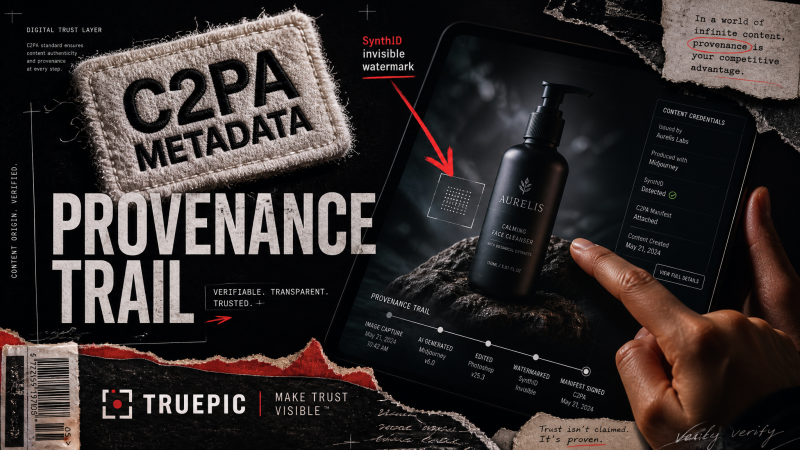
Misuse. Realistic fakes and misleading images are a real risk, and platforms are adding labelling rules. Credible teams disclose when an image is synthetic where it matters.
How creative teams are adapting
Using AI for exploration and variants, then finishing by hand.
Writing a short internal policy: where AI is allowed, what must be disclosed, which tools are approved.
Keeping original sketches and layers as proof of human authorship.
Charging for direction, taste and finishing rather than for hours of rendering.
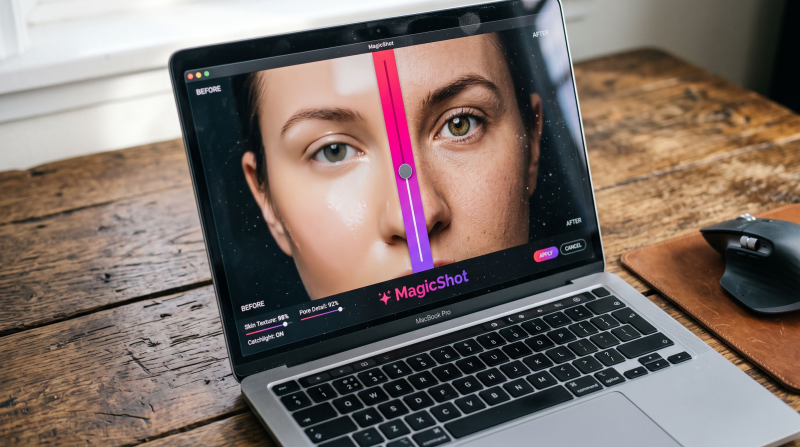
If you want to try the tools yourself, our guide to the top AI image generators is a sensible place to start, and MagicShot lets you test styles without any setup.
Where this leaves us
AI image generators are not ending creative work, and they are not just a toy either. They are moving effort from making the first draft to choosing, editing and defending ideas. The people who do well will be the ones who treat the tool as a fast assistant and keep the judgment for themselves.