
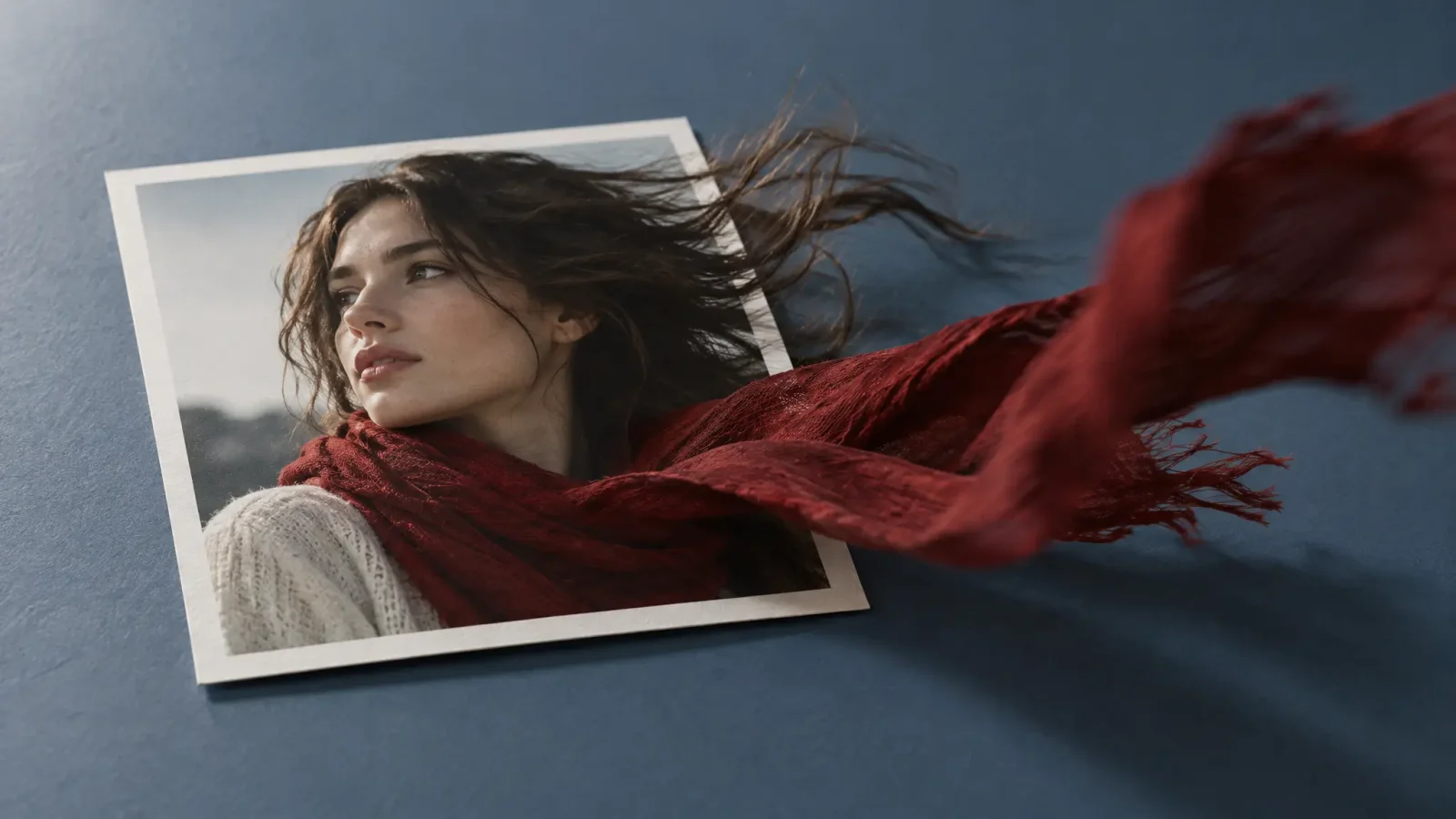
Image to video AI turns a single still photo into a short moving clip by predicting camera motion, subject movement, and light changes frame by frame, then rendering the result as a video file. You upload an image, describe how you want it to move, and the model fills in everything between the first frame and the last. It's the fastest way to get a video out of a photo you already own, without a camera, a set, or an actor.
Looking for the full breakdown? Read our complete guide to image to video AI.
Key takeaways
Image to video AI generates motion, camera movement, and lighting change from a single photo, producing a short video clip in place of a live shoot.
A specific motion prompt that names the subject's action, the camera move, and the mood produces a far more predictable result than a vague one.
Sharp, well lit, uncropped source photos animate more cleanly than blurry, low resolution, or heavily edited ones.
Different AI video models handle faces, camera moves, and stylized art differently, so the model you pick should match the shot you're going for.
Tools like MagicShot run on paid plans only, with one credit balance covering images, video, and voiceovers, and every plan includes a commercial license for the output.
What is image to video AI?
Image to video AI is a category of generative model that takes a photo as its starting point and produces a video clip, usually a few seconds long, that keeps the subject and composition of the original image while adding motion. It's different from text to video, which builds a scene entirely from a written description with no source image to anchor it. Because image to video starts from a real photo, the output tends to stay closer to a specific product, face, or scene than a purely text-generated clip does.
The category covers a wide range of use cases: a product photo turned into a short ad, a portrait given a slow zoom and a blink, an illustration brought to life with a camera pan. Some platforms call this "photo animation" or "picture to video," but it's the same underlying idea. If you already have a photo you like and just want it to move, this is the tool category built for that job, rather than text to video, which is better suited to scenes you don't have a photo of at all.
How does an image to video generator actually work?
An image to video model treats your photo as the first frame of a video and then generates the frames that follow, guided by your text prompt. Instead of drawing each frame from scratch, the model has learned patterns of motion, camera movement, and lighting change from huge amounts of video footage, so it can predict how a scarf might drift, how a camera pan would reveal the edge of a room, or how a smile forms over half a second.
Two things steer that prediction: the source image and your motion prompt. The image sets the subject, composition, and style the model has to stay consistent with across every frame. The prompt tells it what kind of motion to add, camera direction, subject action, pace, mood. Change either input and the output changes with it, which is why the same photo can produce a slow, quiet clip or a fast, dramatic one depending only on what you type.
One thing worth knowing before you start: the further a clip runs, and the more motion you ask for, the more room the model has to drift from the exact colors, proportions, or style of the original photo. This shows up most with illustrations and paintings, where a flat, hand-drawn style can start to look slightly more photographic a few frames in. Shorter clips with simpler, single-direction motion tend to hold the original style more faithfully than long clips packed with multiple actions.
What can you actually make with image to video AI?
The most common use cases fall into a handful of buckets, and each one benefits from a slightly different approach to the source photo and the prompt.
Product photos into ads. A clean product shot on a plain background can become a short clip with a slow rotation or push in, useful for a feed ad or a listing video. Start with a sharp product photo before animating it, since any blur in the source carries into every frame.
Old family photos brought back to life. A subtle blink, a head turn, or hair moving in a breeze can turn a static family photo into something people actually stop scrolling for. If the original print is faded or damaged, run it through a photo restorer first so the motion model has a clean image to work from.
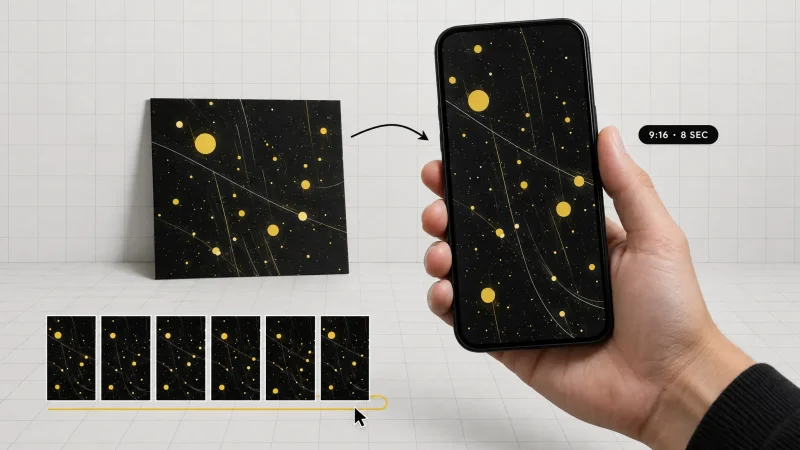
Social clips for Reels, Shorts, and TikTok. A single photo, animated with a simple camera move, fills the vertical format these platforms favor without needing any footage at all. This overlaps with the kind of quick, on-camera-feeling content people build for UGC videos.
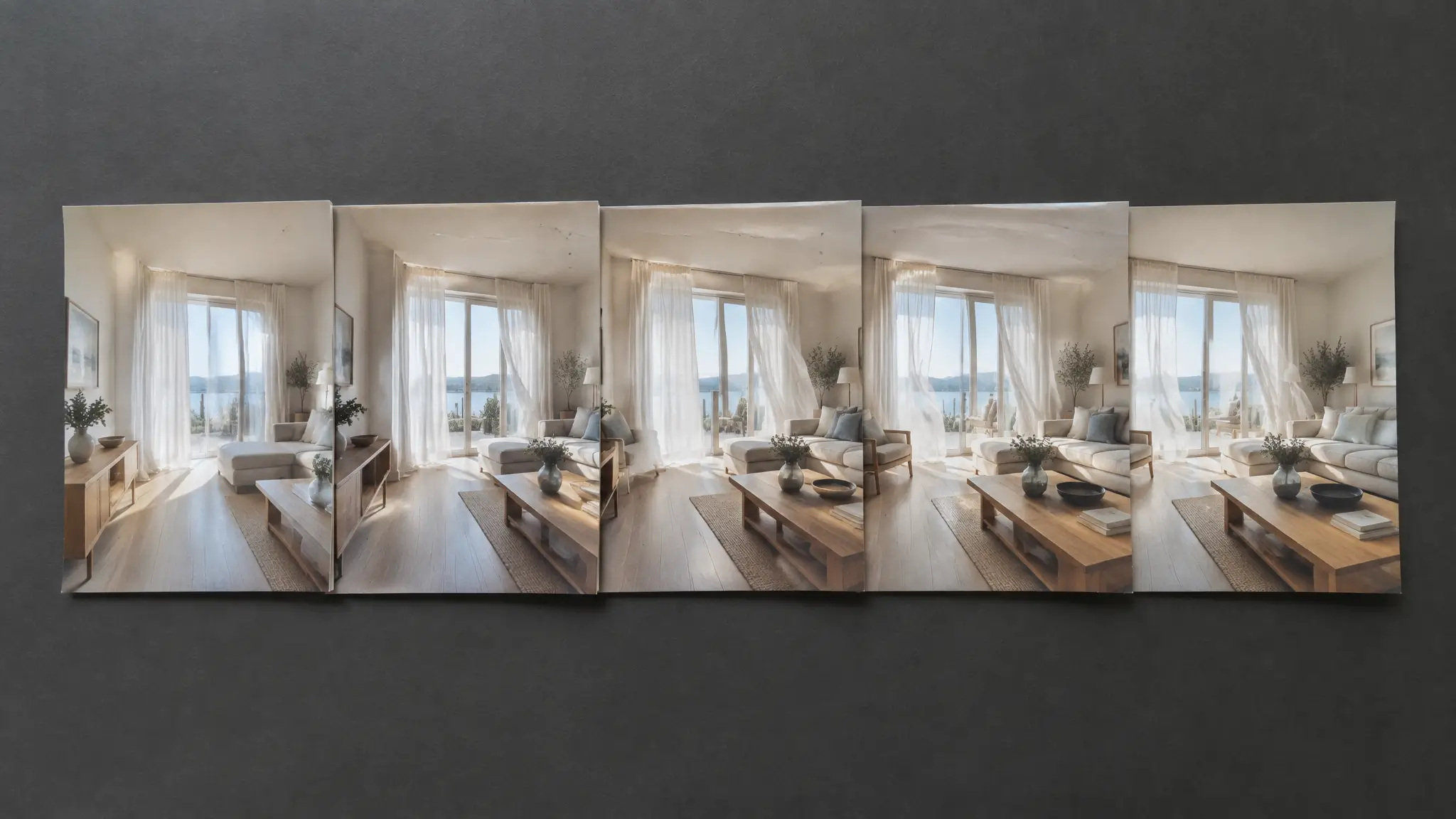
Real estate stills that feel like a walkthrough. A slow dolly or pan across a room photo gives listings a sense of depth that a static photo can't.
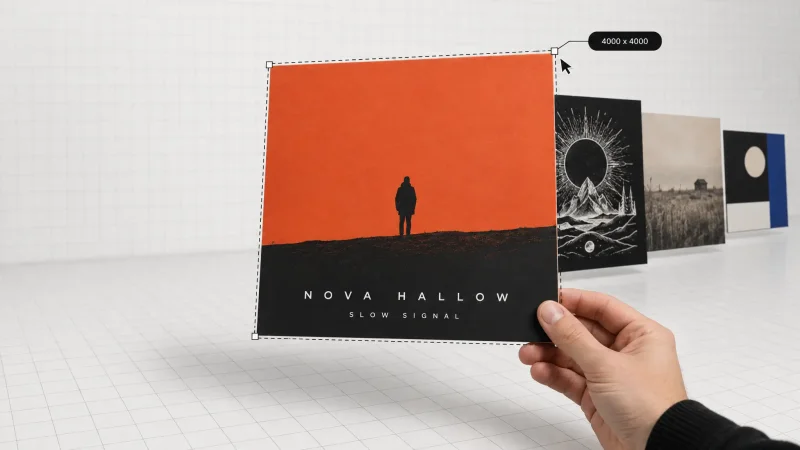
Illustrations and art given movement. Painted or illustrated scenes can gain a slow pan, drifting clouds, or rippling water, useful for book trailers, album art, or portfolio pieces.
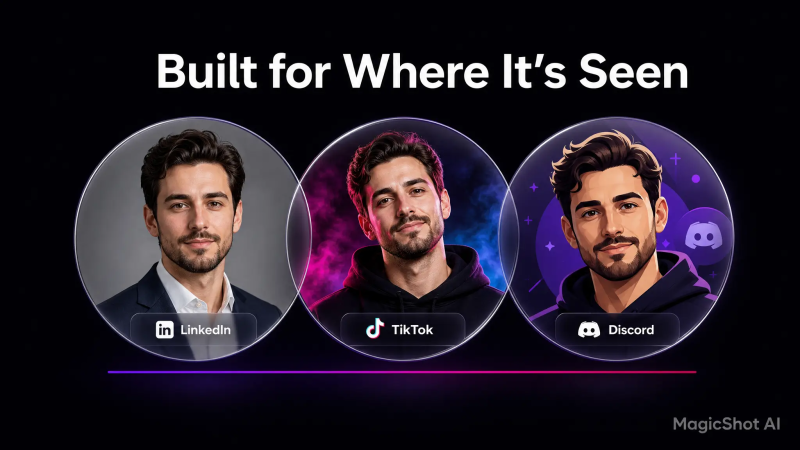
Portraits with subtle motion. A gentle smile, a slow blink, hair catching in the wind, small enough that it reads as alive rather than distorted.
How do you write a motion prompt that actually works?
A good motion prompt names three things: the subject's action, the camera's move, and the mood or lighting. Leave any of the three out and the model has to guess, and guesses tend to default to generic, safe motion that doesn't match what you pictured.
Here are a few structures that hold up well in practice:
"Slow push in, subject blinks and smiles gently, warm afternoon light" for a portrait you want to feel calm and personal.
"Camera orbits slowly around the product, soft studio lighting, no background movement" for an ecommerce shot.
"Static camera, dust particles drifting through a beam of light, subject's hair moves slightly" for a moody, cinematic still.
"Slow pan left to right across the room, curtains move gently in the breeze" for a real estate interior.
Common mistakes are asking for too much at once (a zoom, a pan, and a costume change in one prompt rarely renders cleanly), and forgetting to describe the camera at all, which usually results in a static shot with only the subject moving. Keep the prompt to one clear camera move and one subject action, and let the model handle the rest.
Which AI video model should you pick?
Different models are trained on different footage and tend to favor different kinds of motion, so the honest answer is that there isn't one best model for every photo. Some of the names you'll run into across image to video tools, like Kling, Google's Veo, and Runway's Gen series, each have their own strengths: some hold facial detail and expression better through several seconds of motion, others are stronger at big, sweeping camera moves like a drone-style pull back or a slow orbit around a product.
The practical way to choose is to match the model to the shot rather than pick a single favorite. A portrait that needs a subtle, believable blink and smile benefits from a model known for expression consistency. A product ad that needs a smooth 360-degree turn benefits from a model built for clean camera motion, while an illustrated scene tends to hold its style better on a model that leans toward gentler, slower motion rather than aggressive camera moves. MagicShot's image to video tool gives you access to several of the latest video models from one interface, so you can run the same photo and prompt through more than one and compare the motion before you commit credits to an export.
It's worth treating that first comparison as part of the workflow rather than an extra step. Two models given the identical photo and prompt can produce noticeably different pacing, one holding a slower, steadier motion while another pushes the camera further or faster than you asked for. Testing before exporting is the fastest way to learn which model matches your taste for a given kind of shot.
How to turn a photo into a video, step by step
The workflow is short enough to run in a few minutes once you have a photo ready.
Upload your image. JPG, PNG, and WebP all work, and a higher resolution source photo generally produces smoother, less distorted motion than a small or heavily compressed one.
Describe the motion. Write a prompt that names the subject's action and the camera move, for example "slow zoom in, gentle smile, hair moving in the breeze."
Pick a model and aspect ratio. Choose 9:16 for Reels and Shorts, 1:1 for feed posts, or 16:9 for YouTube and web use, and select the model that fits the kind of motion you described.
Generate and export. Review the clip, and if the motion isn't what you pictured, adjust the prompt rather than the photo and try again.
If your source photo needs cleanup first, running it through a image upscaler before animating it can help, since low resolution detail tends to smear once motion is added on top of it.
What does image to video AI cost?
Pricing across image to video tools varies by company, but most charge per generation in some form, whether that's a subscription, a credit system, or a per-export fee. MagicShot runs on paid plans only, with a single credit balance that covers images, video, and voiceovers rather than separate fees for each tool. Every generation, image, clip, or audio file, draws from that same monthly allowance, so there's no separate purchase needed to move from stills to video.
Every paid MagicShot plan includes a commercial license, which means a video generated from your photo can go straight into client work, an ad campaign, or a product listing without a separate licensing step. That matters if the point of animating the photo in the first place is to ship an ad or a listing video rather than a one-off personal clip. MagicShot runs on the web at app.magicshot.ai and on iOS, so the same credit balance and license apply whether you're generating from a desktop or a phone.
Common mistakes to avoid with photo to video AI
Most disappointing results trace back to one of three things: a low resolution or heavily cropped source photo, a prompt that asks for too many things at once, or a mismatch between the model and the kind of motion you actually wanted. Fixing the source image or narrowing the prompt solves the majority of odd results, so it's worth troubleshooting there before assuming the tool can't do what you're asking.
It also helps to treat the first generation as a draft rather than a final export. Because a small change to the prompt, a word about the camera, a clearer note on pace, can shift the whole clip, running two or three quick versions before exporting usually gets you closer to what you pictured than trying to perfect one attempt.
If you've got a photo sitting on your phone that you keep meaning to do something with, that's really all you need to start. Upload it, write one clear sentence about the motion you want, and see what comes back before you decide whether to try a different model or refine the prompt. MagicShot's image to video tool runs the same upload-prompt-generate flow described above, from the browser at app.magicshot.ai or from the iOS app.