
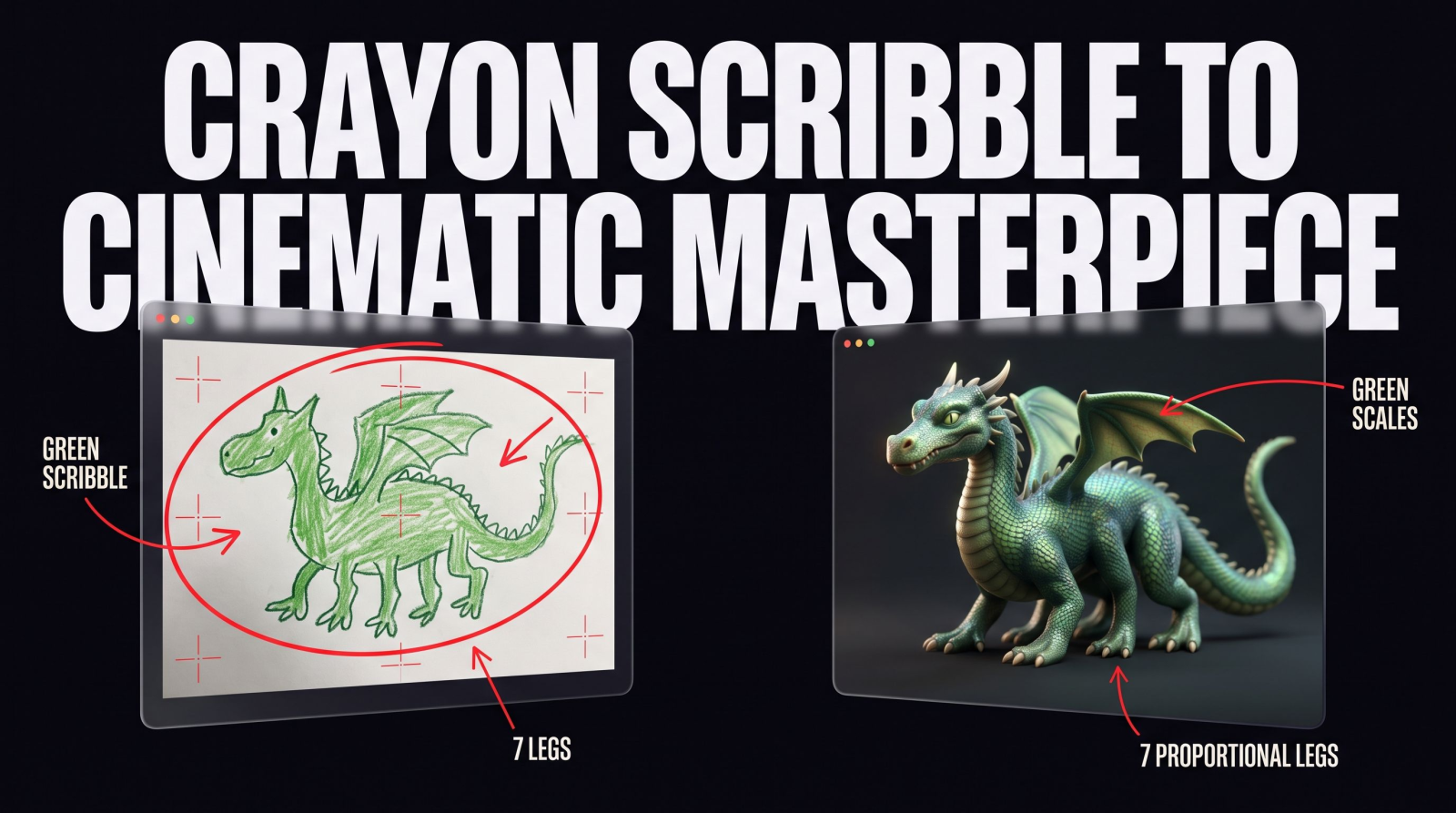
Your five-year-old hands you a wobbly green blob with seven legs and calls it a dragon. It's magnificent. It's also destined for the fridge, then a drawer, then a recycling bin by spring. That's the quiet tragedy of kid art: it's brilliant and it disappears. The good news is you can now turn a kids drawing into real art in a couple of minutes, no illustrator, no $200 custom commission, no waiting three weeks for an Etsy artist to reply.
This is the format parents share on repeat, and for once it earns the shares. A crayon monster becomes a cinematic creature with scales, shadows, and a sky behind it. The scribble stays recognizable, but it grows up. Below is how it works, why it lands the way it does, and how to get a result worth printing.
What "turn kids drawing into real art" actually means
Child drawing AI reads the shapes, colors, and intent in a hand-drawn picture and renders a polished version that keeps the original's soul. The seven-legged dragon stays a seven-legged dragon. It just gets texture, depth, and lighting it never had in wax. You upload a photo of the drawing, describe the vibe you want, and the model returns a drawing to realistic image that still looks like your kid drew the blueprint.
The distinction matters. This isn't tracing over the artwork or replacing it with a stock creature. A good render honors the odd proportions and strange color choices, because those choices are the point. A monster with one giant eye and a triangle body should come back with one giant eye and a triangle body, now lit like a scene from an animated film.
Why this format feels generous instead of gimmicky
Most viral AI trends wear thin fast. This one doesn't, and the reason is simple: the source material belongs to a real person who made something with their hands. When a parent posts the before and after, they're not showing off a filter. They're showing what their kid imagined, finally visible the way the kid probably saw it in their head all along.
That's why the comments fill up. Grandparents want a print. Other parents want to do it with their own kids' art. The drawing stops being clutter and becomes a keepsake. A few practical wins come with it:
The art survives. A finished render is a file you can back up, reprint, and reuse long after the paper yellows.
The kid feels seen. Watching their monster get real is a bigger deal than any sticker chart.
It costs you minutes, not a commission. No brief, no back-and-forth with an artist, no invoice.
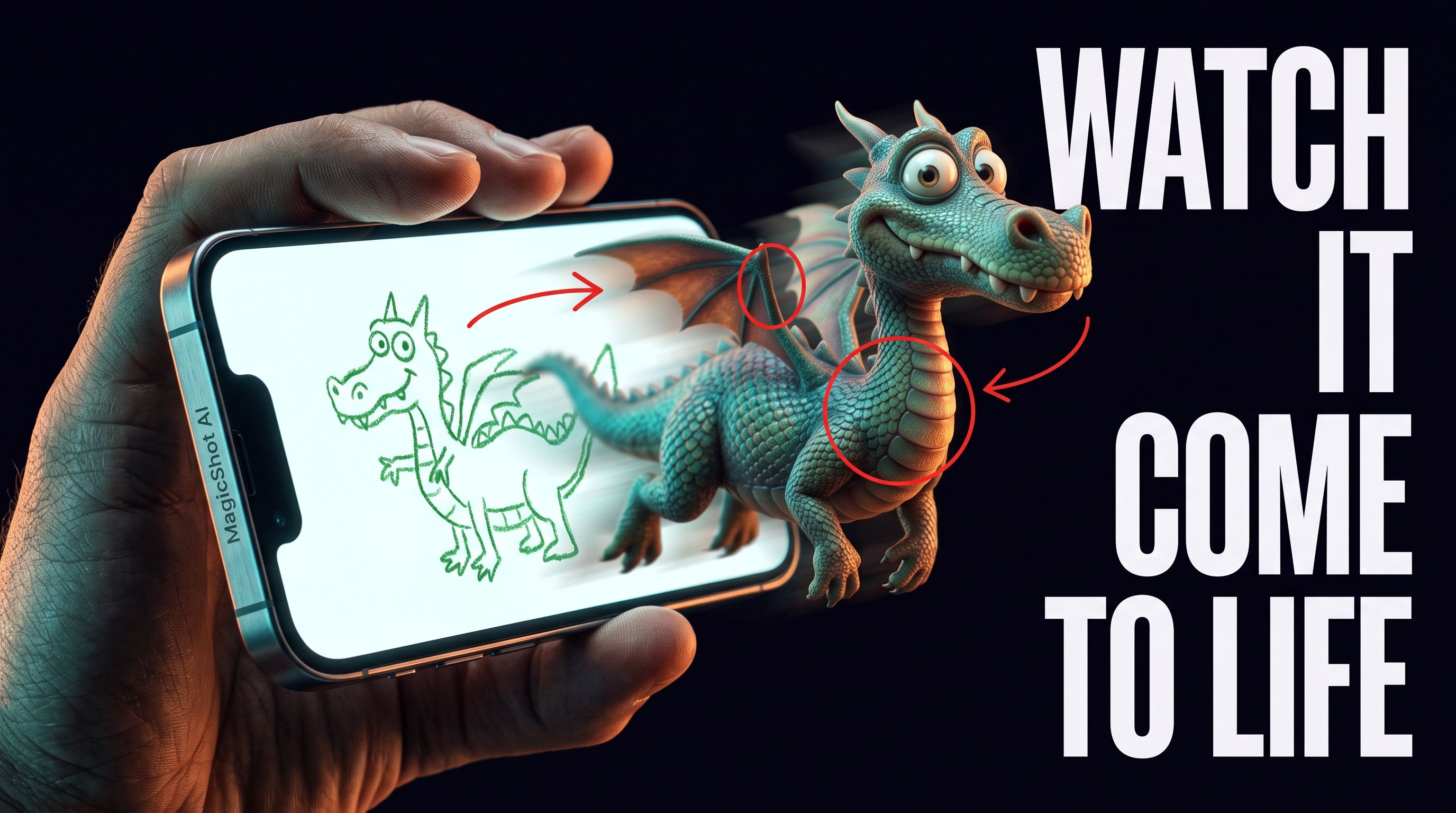
How to turn a kids drawing into real art, step by step
The whole thing hinges on a clean starting photo and a clear description. Here's the order that works.
1. Photograph the drawing properly
Lay the paper flat under a window or a bright lamp. Shoot straight down so the picture fills the frame without your shadow in it. Skip the flash, which blows out crayon and washes color. If the page has a busy background or a coffee ring next to it, run it through the background remover first so the model reads only the art.
2. Describe the world you want around it
This is where the render gets its mood. Go to any image editing tool, tell the model what kind of scene the creature lives in. "Cinematic forest at dusk, soft rim light, painterly" reads very differently from "bright cartoon sky, glossy 3D, kids-movie style." Name the medium, the lighting, and the setting. Vague prompts give you vague monsters.
3. Render, review, and refine
Generate a few options and compare them against the original. Look for the details that make it your kid's drawing and not a generic beast: the wonky legs, the exact shade of purple, the lopsided grin. If the render loses those, adjust the description and run it again. When you land the one, send it to the image upscaler so it holds up as a poster or a canvas.
Prompt ideas that make a crayon monster cinematic
The gap between a flat render and a jaw-dropper is usually the prompt. A few directions that consistently land:
Pixar-style 3D creature. Rounded, glossy, expressive eyes, warm lighting. Great for friendly monsters and made-up pets.
Dark fantasy concept art. Dramatic shadows, misty background, painterly brushwork. Perfect for the scarier scribbles.
Storybook illustration. Soft edges, gentle palette, hand-painted texture. Ideal for a bedtime-book feel.
Photoreal creature in a real place. The monster standing in an actual forest or living room, matched lighting. This one gets the biggest reactions because the brain can't quite believe the drawing is real.
If you want to keep experimenting with styles beyond creatures, the AI art generator gives you the same control over medium and mood for any concept your kid dreams up, no visuals needed.
What to do with the finished piece
A render is nice on a phone screen. It's better on a wall. Once you have the image, the options open up fast.
Print it big
An upscaled file prints clean at poster size. Frame it above your kid's bed and watch them point it out to every visitor for a year.
Put it on things
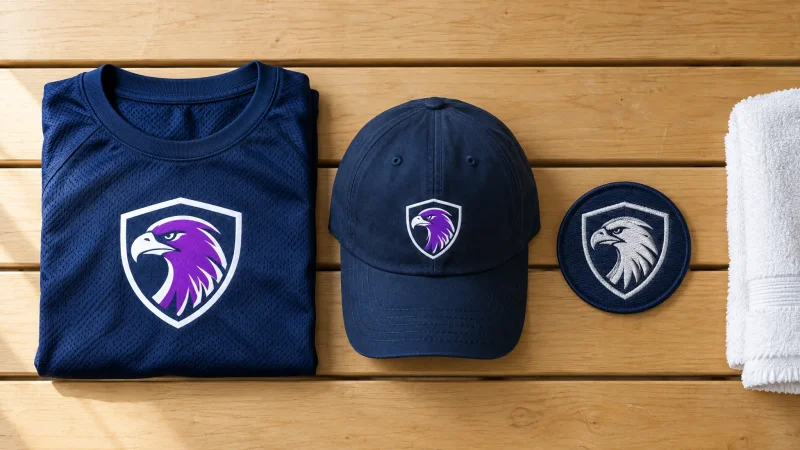
The creature can live on a mug, a tote, a birthday shirt, or a set of thank-you cards. Turn it into a sticker and your kid gets to hand out their own monster at school.
Make it move
Static is great. Motion is a different kind of magic. Feed the render into image to video and the monster blinks, breathes, or takes a step. A living version of a drawing is the clip relatives replay ten times. You can push it further with the AI video effects generator to add atmosphere like fog or firelight.
Getting a result you'd actually frame
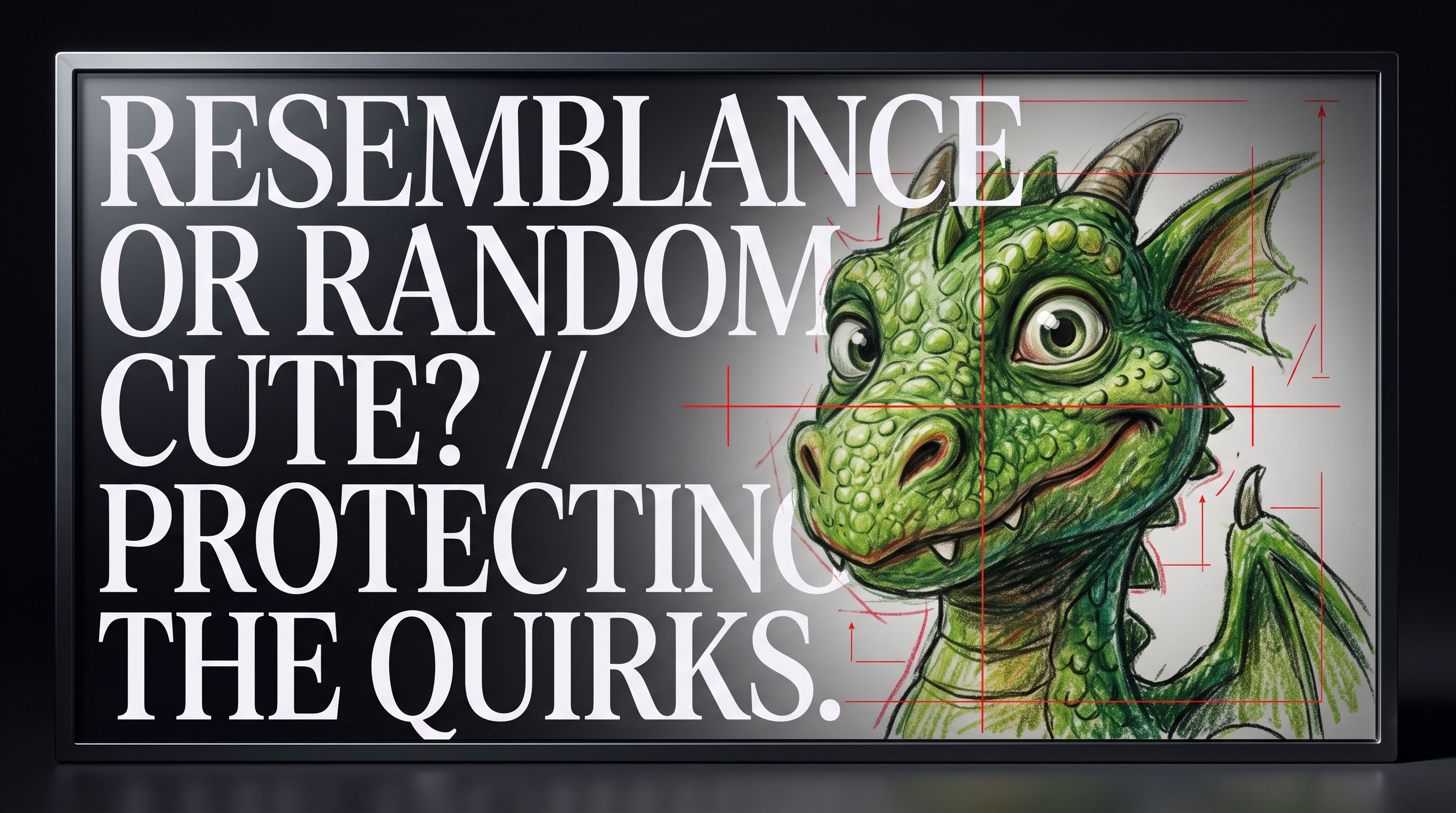
A few habits separate a keeper from a throwaway:
Start with the best photo you can. Even a strong model can't invent detail that a blurry, shadowed photo hid. Flat lighting and a straight angle do half the work.
Protect the quirks. If the render "corrects" your kid's weird choices, it stops being their art. Prompt for faithfulness to the original shapes and colors.
Match the tone to the drawing. A goofy scribble wants a goofy render. Don't force dark concept art onto a smiling rainbow blob.
Do it with the kid watching. The reveal is the whole point. Let them pick the winning version.
Do this a handful of times and you'll build a little gallery. The drawing you almost tossed becomes the thing your family talks about at dinner. That's a strong trade for two minutes and one good photo.
The bigger picture
Kids make dozens of drawings a month. Most vanish. Turning even a few of them into real art changes what those afternoons are worth. You're not just saving a picture. You're telling a small artist that what they made mattered enough to bring into the world properly. The crayon monster gets its close-up, and you get a keepsake that outlives the fridge.