"AI avatar" now means three different things in marketing, and mixing them up leads to bad decisions. It can be a stylised profile picture of a person, a talking digital presenter in a video, or a chatbot with a face. Each has a different cost, a different risk, and a different job. This post separates them, shows where they work, and covers the trust issues that decide whether customers like them or find them creepy.
The three kinds of AI avatar
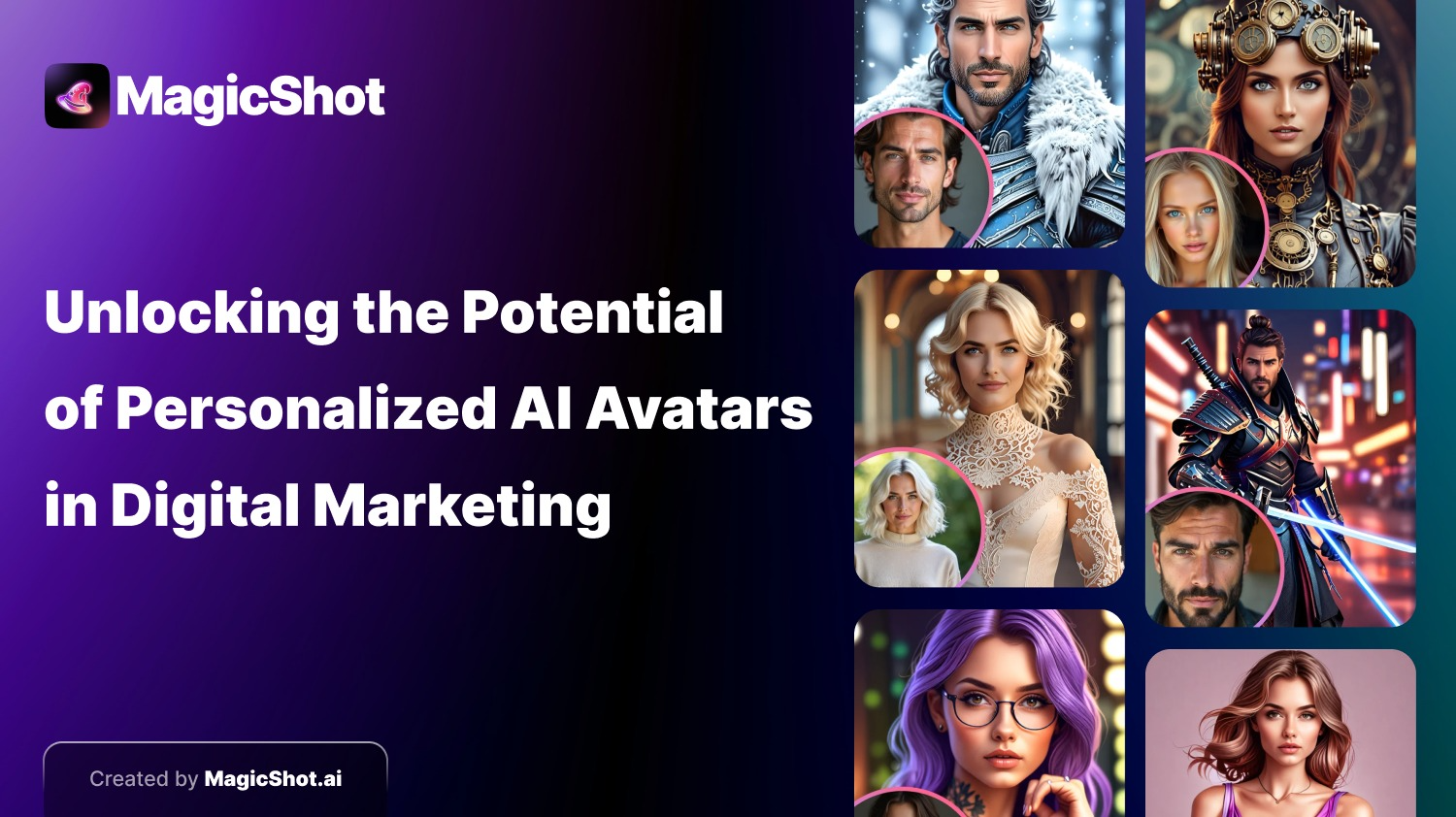
Image avatars. Stylised portraits of a real person or a brand character, made from a photo or a prompt. Used for profile pictures, social posts and campaigns. You can make one with the AI avatar generator.
Video presenters. A digital character or a clone of a real person that speaks a script on camera. Used for training clips, product explainers and localised videos.
Conversational avatars. A chatbot or voice agent with a face, for support, onboarding or sales questions.
If you are earlier in the journey, our post on AI avatars for boosting your brand covers the branding basics, and the list of top AI avatar creators compares tools.
Where they work in marketing
Brand characters and mascots. A consistent face for a brand, used across posts, emails and ads. This is the safest and cheapest use, because nobody is pretending a real human is speaking.
Localised video. One script, many languages, without flying a presenter to every market. This is where video avatars usually pay for themselves, especially for training and product walk-throughs.
Social content for niche audiences. Virtual influencers exist and some have real followings, but they work when audiences know exactly what they are. Hiding it tends to backfire.
Support and onboarding. A friendly face on a help assistant can make a first-time user more comfortable. It still has to answer correctly, which matters more than how it looks.
Team and creator profiles. Stylised avatars for people who want a professional but not photographic image online.
Where they go wrong
The uncanny valley. Almost-human faces with slightly wrong eye movement or lip sync make people uneasy. A clearly stylised character is often better received than a realistic one that misses.
Hidden automation. Customers dislike finding out late that they were talking to a machine. Say so up front, and make it easy to reach a person.
Likeness and consent. If an avatar is based on a real person, get written consent for how and where it will be used, and for how long. This is a legal issue as well as an ethical one in many places.
Disclosure rules. Some platforms and countries expect synthetic media to be labelled, and advertising rules on endorsements still apply to virtual influencers. Check the current rules for each market.
Personalisation that feels like surveillance. Using customer data to tailor an avatar's message is only fine if the data use is expected and covered by your privacy policy.
How to start small
1. Pick one job: a mascot, a localised explainer, or a support face.
2. Decide how realistic it needs to be. Stylised is cheaper and safer.
3. Write down consent, disclosure and data rules before you produce anything.
4. Test with a small audience and look at actual results, such as completion rate, replies and complaints.
5. Keep a human in the loop for anything a customer could act on.
What to expect
Avatars will keep getting more convincing and cheaper. The brands that benefit will be the ones that treat them as a production tool with clear labels and clear limits, not as a replacement for talking to customers.