
What the Flood video effect does
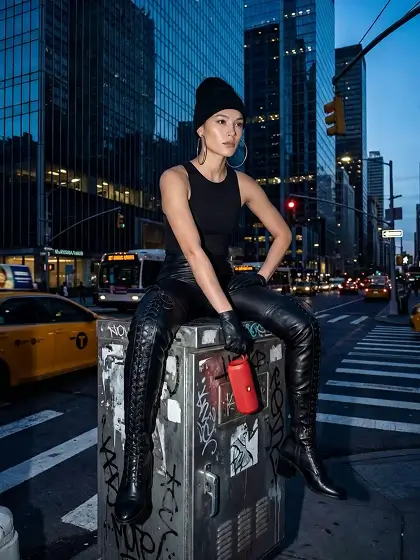
The Flood video effect takes a short clip you upload and drowns it. Water creeps in at floor level, climbs the walls, laps at chair legs, and turns a quiet hallway or a dry street into something you'd evacuate. MagicShot's AI reads the depth and geometry of your shot, so the waterline sits behind objects that should be behind it and swallows the ones that shouldn't. Reflections, ripples, and drift move with the camera instead of sliding around on top of it.
The clips that work best
- A slow pan or a locked-off shot. Steady footage gives the water a clean surface to sit on. Frantic handheld fights it.
- Ground-level detail in frame. Floors, kerbs, stairs, and doorways give the rising water something to measure itself against.
- Good light. Windows, streetlights, and lamps give the surface something to reflect, which is what sells the shot.
- Interiors and streets. Living rooms, offices, corridors, parking lots, and shopfronts read as flooded far faster than open fields.
Why creators reach for it
A practical flood shot means a water tank, a stunt rig, and a crew willing to soak a location. A CG one means a simulation artist and a render queue. This is an AI flood generator that skips both: upload the clip, apply the effect, get the shot back. It's what people use for apocalypse edits, storm-warning skits, horror openers, and the kind of "POV: it started raining an hour ago" clip that does numbers on TikTok and Reels. Flood is one of the video effects included with a paid MagicShot plan, alongside the rest of the AI video toolkit.