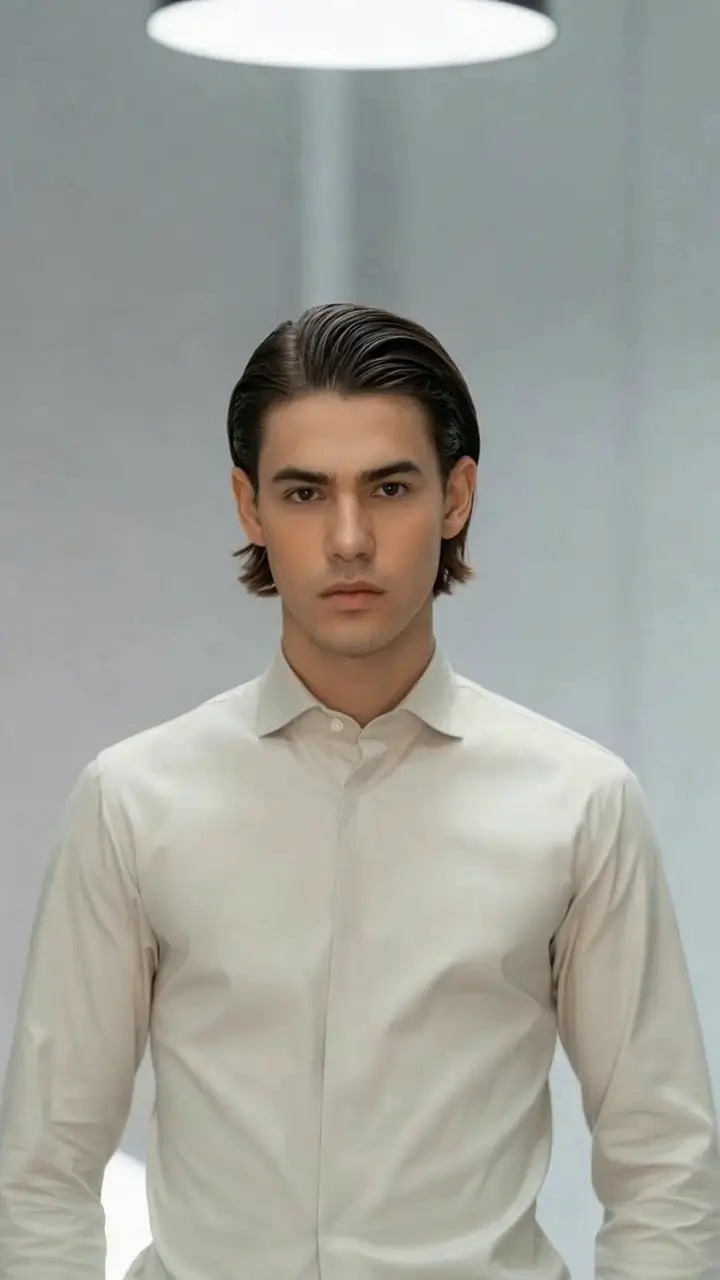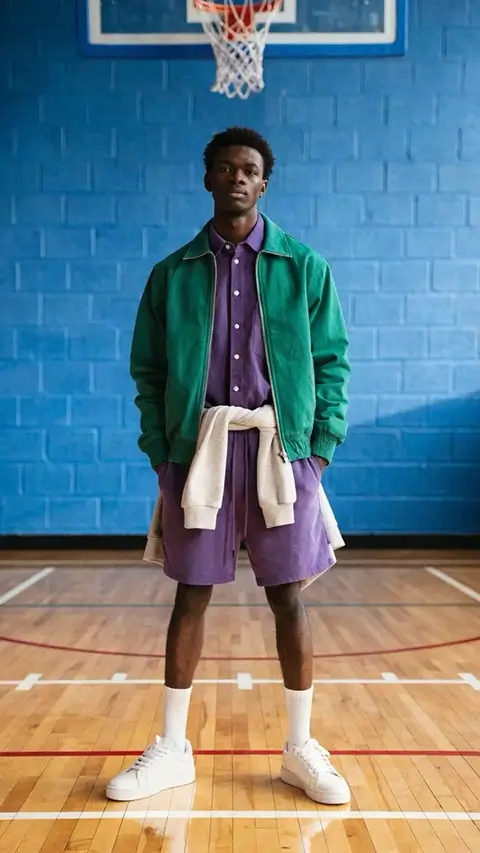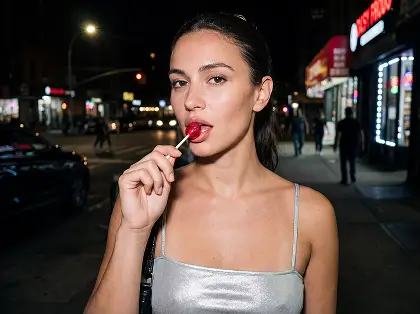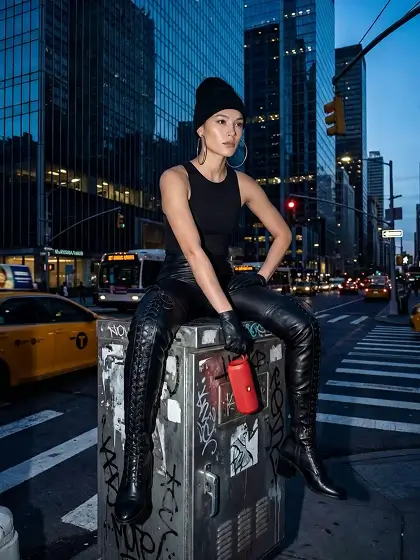
What the Double Exposure video effect does
The Double Exposure video effect takes one uploaded clip and prints a second scene straight through your subject, so a silhouette stops being a shape and becomes a window. Think a profile turn filled with neon traffic, a walking figure carrying a forest inside it, a head tilt where clouds drift across the jawline. It's the old film-camera accident where two frames land on the same negative, except you're not masking a subject frame by frame in After Effects or paying an editor to do it for you.
The source clips that work best
- A clean silhouette. Shoot against a bright wall, a window, or a plain sky. The harder the contrast between subject and background, the sharper the blend reads.
- Slow, deliberate motion. A head turn, a shoulder roll, a step into frame. Fast, jittery footage muddies the second layer.
- One subject, centered. Portrait framing beats a crowded group shot, because the effect needs a single edge to fill.
- Steady camera. Handheld is fine. A tripod or a phone propped on a shelf is better.
What you walk away with
A short, vertical-ready clip with two images moving as one: musician intros, poetry and lyric edits, moody travel recaps, film-look reels, band promos, title cards for a short. Creators post these to TikTok, Reels and YouTube Shorts, where a double exposure open earns the second and third second of watch time that a plain talking-head cut never does.
Where it lives
The AI Double Exposure generator runs inside the MagicShot app on a paid plan, alongside the rest of the video effects library. No editing timeline, no layer masks, no plugin to install. Upload the clip, pick Double Exposure, and let it render.