How to Create Viral-Style Short Videos and Images with AI

Short-form content dominates nearly every major social platform, but most viral posts today follow recognizable patterns rather than relying on luck. Creators are combining fast-moving visual trends with AI-powered image and video generation to produce content at scale, even without advanced editing skills.

This guide breaks down what actually works on TikTok, Instagram Reels, and YouTube Shorts, and how AI fits into those trends without replacing creative judgment.


What “Viral-Style” Content Actually Means on Social Media

Viral content is less about massive reach and more about retention and repeatability. Platforms prioritize videos and images that keep users watching, saving, or sharing, even within niche audiences.

Why retention matters more than views

Short-form algorithms reward watch time, replays, and completion rate. A seven-second video that loops twice often performs better than a polished thirty-second clip that users abandon halfway through.

Common elements shared by viral images and short videos

Across platforms, high-performing content usually shares three traits: a fast hook, visual clarity, and emotional relevance. Whether the emotion is humor, curiosity, nostalgia, or surprise, the viewer understands the idea immediately.


Trending Short Video Formats That Perform Well Right Now

Most viral short videos are built on templates and patterns that users already recognize.

Photo-to-video transitions and template-based edits

One of the strongest trends is converting still images into short, beat-synced video clips. These edits are popular because they feel dynamic without requiring complex storytelling. CapCut templates and similar tools have normalized this style, especially for creators who work primarily from photos.
This format is also where AI video generation fits naturally, turning static inputs into short motion clips that feel native to Reels and Shorts.

Micro storytelling in under 10 seconds

Short narratives still outperform visual noise. Creators often use a simple structure: setup, moment, reaction. Even minimal motion can work if the idea is clear and the pacing is tight.

Romantic, emotional, and reaction-driven clips

Emotion-focused content continues to perform well, particularly romantic and relationship-themed visuals. For example, creators experiment with short AI kiss or couple-style video clips as part of broader emotional storytelling trends, often pairing them with trending audio and minimal captions. These clips work best when framed as visual concepts rather than realistic representations.


Trending AI Image Styles That Get Saved and Shared

Images still play a major role in viral reach, especially as carousel posts, Reel covers, and thumbnails.

Concept-style portraits and “what if” visuals

AI-generated portraits that explore imaginative scenarios consistently attract engagement. These images work because they spark curiosity and invite comments rather than demanding belief.

Before-and-after and transformation-style images

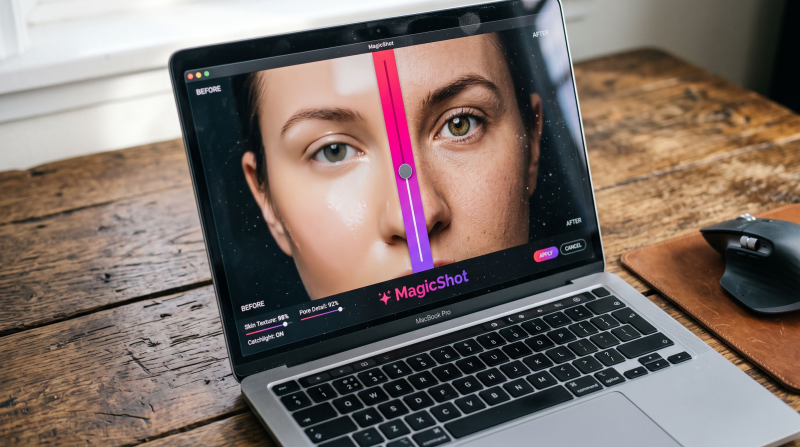
Transformation content thrives on contrast. Side-by-side visuals and swipe-based reveals increase time spent on posts, which platforms reward with broader distribution.

Entertainment-first predictive or concept visuals

Some image trends focus purely on entertainment, such as visualizing hypothetical outcomes or future scenarios. AI Baby Generator images have become popular for creating fun, fictional baby-style portraits that encourage comments and shares. When framed as playful concepts rather than real predictions, these images perform especially well in carousels and short-form video thumbnails.


How Creators Combine Images and Videos Into One Viral Workflow

High-performing creators rarely treat images and videos as separate strategies.

Starting with an image, ending with a short video

Images often serve as the foundation. A single AI-generated image can become a Reel cover, a thumbnail, or the opening frame of a short video that adds subtle motion or transitions.

Turning static visuals into scroll-stopping motion

Simple animation often outperforms heavy effects. Slow zooms, slight facial motion, or smooth transitions help images feel alive without overwhelming the viewer.


Prompt and Input Tips for Better AI Results

AI quality depends heavily on how creators guide it.

How descriptive prompts improve realism

Clear details around lighting, mood, and framing lead to more usable outputs. Overly complex prompts often reduce consistency rather than improving quality.

Why less complexity often performs better

On social platforms, clarity beats detail. Simple visuals with a single idea are easier to process in fast-scrolling environments.


Formatting for TikTok, Instagram Reels, and YouTube Shorts

Even strong visuals fail if formatting is wrong.

Aspect ratios, duration, and text placement

Vertical formats, centered subjects, and readable text within safe zones are essential. Most viral clips stay under twelve seconds and avoid clutter near the screen edges.

Caption styles that increase completion rates

Effective captions tease the idea without explaining everything. Short context lines often outperform long descriptions.


Common Mistakes That Prevent AI Content From Going Viral

Over-editing and visual overload

Too many effects distract from the core idea and reduce retention.

Ignoring pacing and hooks

If the first second fails, the content rarely recovers.

Treating AI results as finished content

AI outputs still need human judgment. Cropping, timing, and context determine whether something feels native or artificial.


Ethical and Creative Boundaries When Using AI Content

Transparency matters. AI-generated visuals should be framed clearly as creative or entertainment-focused, especially when faces, relationships, or family concepts are involved. Responsible use builds trust and avoids platform issues.


Conclusion

Viral-style short videos and images succeed because they follow recognizable patterns, not because of the tools behind them. AI image and video generation simply lowers the barrier to experimenting with those patterns at speed. Creators who understand trends, audience behavior, and pacing will continue to outperform those chasing tools alone.

Frequently Asked Questions

Retention matters more than views. Content that hooks fast, loops naturally, and gets rewatched or shared performs better than longer, polished videos.

No. Most viral posts follow simple, repeatable patterns. Basic transitions, strong visuals, and clear ideas matter more than complex edits.

AI helps generate images and short videos quickly, especially for concepts, transformations, and emotional visuals. It speeds up production but still needs human judgment for pacing and context.

Yes, when used responsibly. AI content performs well when framed as creative or entertainment-focused rather than realistic or misleading.

Concept-style portraits, transformation visuals, emotional clips, and image-to-video transitions tend to get more saves, shares, and replays.

Most high-performing videos are under 10–12 seconds. Shorter clips with strong hooks often loop naturally and boost watch time.

Many creators start with a strong image and then add subtle motion to turn it into a Reel or Short. This approach is fast and works well for retention.

Treating AI output as final content. Cropping, timing, hooks, and formatting still decide whether something feels native or gets skipped.

Yes. Short, curiosity-driven captions often increase completion rates more than long explanations.

No. AI is a tool, not the strategy. Understanding trends, emotions, and audience behavior is what actually drives performance.

Harish Prajapat (Author)

Hi, I’m Harish! I write about AI content, digital trends, and the latest innovations in technology.

Related blogs

Get the latest news, tips & tricks, and industry insights on the MagicShot.ai blogs.